Breakfast can set the tone for your entire day — especially if you have Type 2 diabetes. The goal is not to skip meals or fear food. The goal is to choose low-glycemic, high-fiber, protein-rich breakfasts that help keep blood sugar steady, reduce cravings, and give you lasting energy.
A diabetes-friendly breakfast usually has three things in common: protein, healthy fat, and slow-digesting carbohydrates. When you build your plate this way, you are far less likely to get the sharp spikes and mid-morning crashes that many people experience after a sugary breakfast.
🌟 1. Eggs with Vegetables
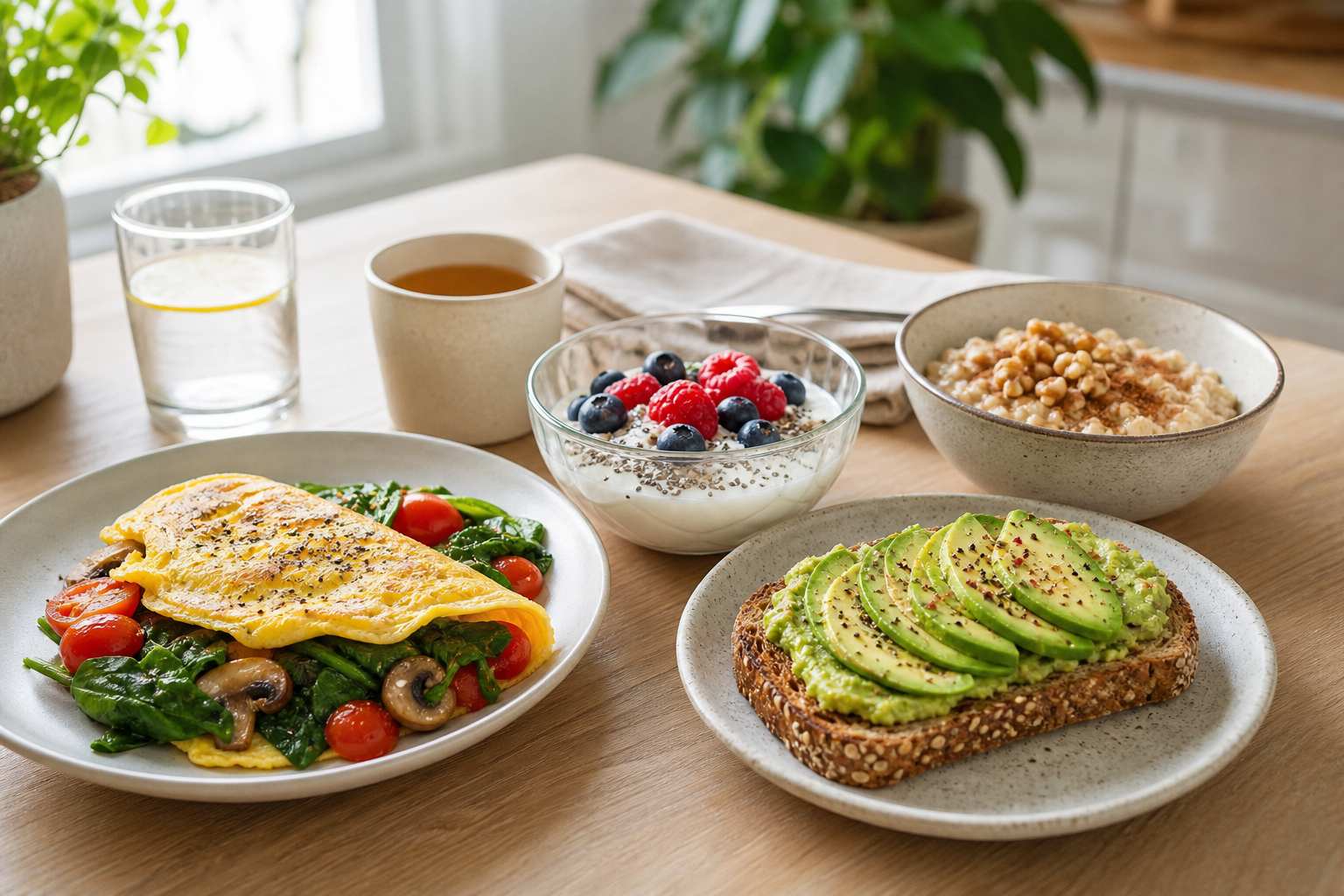
Eggs are one of the most practical breakfast foods for people with Type 2 diabetes because they contain high-quality protein and almost no carbohydrates. Pair them with non-starchy vegetables like spinach, tomatoes, mushrooms, bell peppers, or onions for extra fiber and nutrients.
You can make a simple omelette, scrambled eggs, or even a boiled-egg plate with sautéed vegetables on the side. This kind of breakfast is filling, quick, and much kinder to blood sugar than toast, pastries, or sweet cereal.
“A good diabetes breakfast should help you feel satisfied, not sleepy, shaky, or hungry an hour later.”
🥖 2. Plain Greek Yogurt with Chia Seeds and Berries
Unsweetened Greek yogurt is a smart breakfast base because it is rich in protein and naturally lower in sugar than flavored yogurts. Add chia seeds for fiber and a small handful of berries for sweetness without the blood sugar spike.
This is a great option when you want something light but still balanced. The fiber in chia seeds helps slow digestion, while berries such as strawberries, blueberries, and raspberries offer antioxidants and a lower glycemic impact than many fruits.
Best add-ins for yogurt:
- 1 tablespoon chia seeds
- 1 tablespoon ground flaxseed
- A few walnuts or almonds
- Fresh berries
- Cinnamon for flavor
🌾 3. Oatmeal — But the Right Kind
Oatmeal can be a good breakfast for Type 2 diabetes if you choose the right type and keep the portion sensible. Steel-cut oats and rolled oats are better choices than instant flavored packets, which often contain added sugar and refined ingredients.
To make oatmeal more blood-sugar-friendly, combine it with protein and healthy fat. For example, add nuts, seeds, plain yogurt, or a spoonful of nut butter. Cinnamon can also help improve flavor without adding sugar.
If oats alone leave you hungry too quickly, your breakfast may need more protein. Remember: oatmeal should not be eaten as a sugary carb bowl. Build it into a balanced meal.
🌱 4. Avocado on Whole-Grain Toast
A slice of whole-grain or seeded bread topped with avocado can be a simple, satisfying breakfast. Avocado provides healthy monounsaturated fats and fiber, which help slow digestion. The key is to choose truly whole-grain bread and keep portions in check.
For extra protein, add a boiled egg, cottage cheese, or a sprinkle of hemp seeds. This turns a basic toast into a more balanced meal that supports steadier blood sugar.
💡 Practical Tips for a Diabetes-Friendly Breakfast
A few small habits can make a big difference in how your body handles breakfast:
- Choose protein first when planning your plate.
- Avoid sugary drinks like juice, sweet tea, or flavored coffee drinks.
- Watch portion sizes for bread, oats, and fruit.
- Include fiber from vegetables, seeds, nuts, or berries.
- Read labels carefully — many “healthy” cereals are still high in sugar.
- If you are busy, prepare breakfast the night before.
📍 Easy Breakfast Ideas You Can Rotate During the Week
If you do not want to eat the same thing every day, try rotating these simple options:
- Vegetable omelette with a side of cucumber or tomatoes
- Greek yogurt with chia seeds and berries
- Oatmeal topped with walnuts and cinnamon
- Avocado toast with a boiled egg
- Cottage cheese with seeds and sliced strawberries
- Tofu scramble with spinach and mushrooms
“The best breakfast for diabetes is not the fanciest one — it is the one that keeps your blood sugar stable and fits your real life.” — Diabetic Health Guide Team
There is no one perfect breakfast for everyone with Type 2 diabetes. Your medication, activity level, culture, budget, and personal preferences all matter. But if you start with low-glycemic, whole-food options and pair carbohydrates with protein and fiber, you are already making a strong choice.
If you want better blood sugar control, begin with breakfast — because one steady meal can make the rest of the day much easier.