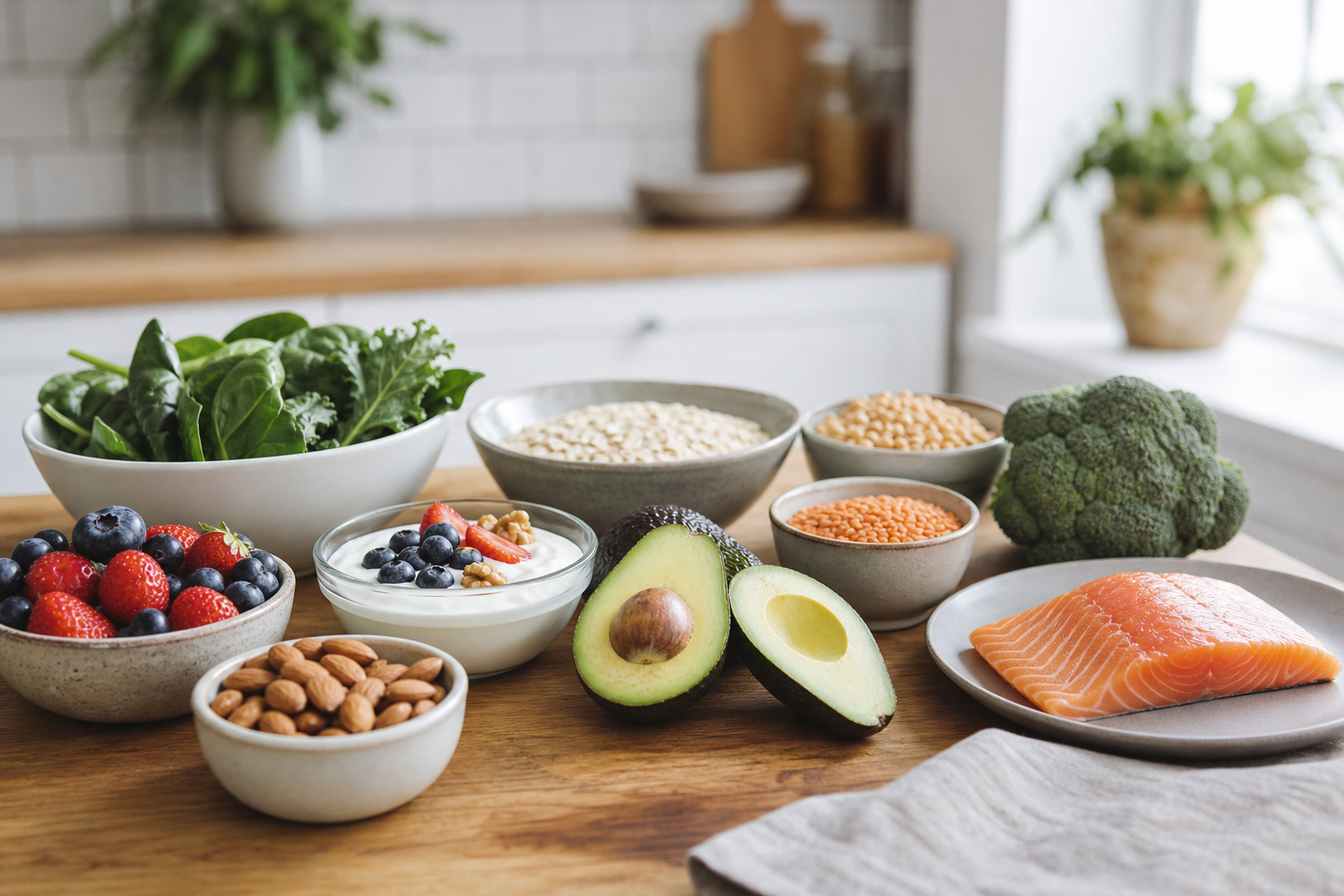
If you are trying to manage your blood sugar, food can become your greatest tool. The right choices will not cure diabetes overnight, but they can help you feel more stable, reduce spikes after meals, and support better long-term control. The key is to focus on fiber, protein, healthy fats, and low-glycemic foods that work with your body instead of against it.
Below are 10 everyday foods that may help lower blood sugar naturally when they are included as part of a balanced eating plan. These foods are simple, affordable, and easy to add to meals and snacks.
🌟 1. Leafy Green Vegetables
Spinach, kale, methi, collard greens, and other leafy vegetables are low in carbohydrates and packed with fiber, vitamins, and minerals. Because they have such a small impact on blood sugar, they are an excellent foundation for lunch and dinner.
Try adding them to omelettes, soups, curries, salads, or stir-fries. The more often you include leafy greens on your plate, the easier it becomes to build meals that keep you full without causing large glucose swings.
🥑 2. Beans and Lentils
Lentils, chickpeas, kidney beans, black beans, and other legumes are rich in fiber and plant-based protein. That combination helps slow digestion and may reduce the rise in blood sugar after eating.
They are also very filling, which can help with portion control. Use them in daals, soups, salads, wraps, or as a replacement for more refined starches.
🔪 3. Cinnamon
Cinnamon is one of the most popular spices associated with blood sugar support. While it is not a magic solution, it can be a smart way to add flavor without adding sugar.
Sprinkle it on plain yogurt, oats, chia pudding, or even coffee and tea. Choose cinnamon to enhance taste so you do not need as much sweetener.
“The best blood sugar foods are usually not exotic superfoods — they are the simple, repeatable foods you can enjoy every day.”
🥜 4. Greek Yogurt
Plain Greek yogurt is high in protein and usually lower in sugar than flavored yogurts. Protein helps slow digestion, which can reduce the blood sugar rise after a snack or meal.
For the best result, choose unsweetened yogurt and add your own toppings such as berries, chia seeds, flaxseed, or nuts instead of sweet syrups or fruit-flavored varieties.
🧀 5. Nuts and Seeds
Almonds, walnuts, pistachios, chia seeds, flaxseeds, and pumpkin seeds are all excellent choices for blood sugar control. They contain healthy fats, fiber, and protein, which can help keep you satisfied between meals.
A small handful can make a big difference. Use them as a snack or add them to salads, yogurt, oats, and smoothies for extra texture and nutrition.
Best ways to use nuts and seeds:
- Top unsweetened yogurt with chia seeds
- Add walnuts to salads
- Use ground flaxseed in smoothies
- Snack on a small portion of almonds
- Sprinkle pumpkin seeds over soups
🍌 6. Apples
Apples contain fiber, especially when eaten with the skin on. That fiber can help slow the absorption of sugar and make the fruit more blood-sugar friendly than many processed snacks.
Pair apple slices with peanut butter or a few nuts for a more balanced snack. This adds protein and fat, which can help keep glucose levels steadier.
🥞 7. Berries
Strawberries, blueberries, raspberries, and blackberries are lower in sugar than many other fruits and are loaded with antioxidants. Their fiber content also helps slow digestion.
Berries are a smart choice for breakfast bowls, smoothies, or snacks. They offer sweetness without the same blood sugar impact as fruit juices, pastries, or candy.
🥣 8. Avocados
Avocados are rich in healthy monounsaturated fats and fiber. They contain very little carbohydrate, which makes them a great option for people trying to keep blood sugar stable.
Add avocado to toast on whole grain bread, salads, wraps, or egg dishes. Even a few slices can make a meal more satisfying and slower to digest.
🥗 9. Oats
Plain oats are a better choice than sugary breakfast cereals because they provide soluble fiber, which can help slow the absorption of glucose. Steel-cut or rolled oats are usually better choices than highly processed instant packets.
To make oats more blood-sugar friendly, avoid loading them with sugar. Instead, add cinnamon, nuts, seeds, and a few berries for flavor and balance.
🥬 10. Fatty Fish
Salmon, sardines, mackerel, and other fatty fish provide protein and omega-3 fats that support overall metabolic health. While fish does not directly lower glucose in the moment, it can help make meals more balanced and satisfying.
Serve fish with vegetables and a modest portion of whole grains or legumes for a meal that is more likely to keep blood sugar in a healthier range.
Simple blood sugar-friendly meal formula:
- Start with non-starchy vegetables
- Add a lean protein or plant protein
- Include a small amount of healthy fat
- Choose slow-digesting carbs in sensible portions
- Avoid sugary drinks and refined snacks
It is also important to remember that portion size matters. Even healthy foods can affect blood sugar if the serving is too large. Pairing carbohydrates with protein, fiber, and fat is one of the easiest ways to improve your response after meals.
And while these foods can help, your overall pattern matters most. Sleep, stress, movement, hydration, and medication all play a role in how your body handles glucose.
🎉 Final Thoughts
The best foods for blood sugar control are not complicated. They are the ones that help you feel full, support steady energy, and make it easier to avoid spikes and crashes. By building meals around vegetables, protein, fiber, and healthy fats, you can create a diet that supports better glucose control naturally.
Start with just two or three foods from this list and add them to your routine this week. Small, consistent changes are often the ones that lead to the biggest results over time.
Need help creating a meal plan that fits your blood sugar goals? Explore our blog for more practical nutrition advice and evidence-based diabetes support.