
Dawn Phenomenon: Why Your Morning Blood Sugar Spikes in Type 2 Diabetes
If you live with Type 2 Diabetes, you might be familiar with the confusion of waking up to high blood sugar levels, even when you’ve followed your diet and medication plan overnight. This common occurrence is often due to something called the Dawn Phenomenon. Understanding this natural bodily process is key to better managing your blood sugar and overall health.
In this article, we’ll explain what the Dawn Phenomenon is, why it happens, and practical strategies to help you manage those early morning blood sugar spikes.
What is the Dawn Phenomenon?
The Dawn Phenomenon refers to a natural increase in blood glucose (sugar) levels that occurs in the early morning hours, typically between 2:00 AM and 8:00 AM. This rise happens because your body starts to prepare for waking up. It releases hormones that tell your liver to produce more glucose, giving you energy for the day ahead.
While this process happens in everyone, it’s more pronounced and problematic for people with diabetes. This is because their bodies either don’t produce enough insulin or don’t use insulin effectively (insulin resistance), making it harder to manage this glucose surge.
Causes of the Dawn Phenomenon in Type 2 Diabetes
Several factors contribute to the Dawn Phenomenon, particularly in individuals with Type 2 Diabetes:
- Circadian Rhythm and Glucagon: Your body’s internal clock (circadian rhythm) triggers an increase in glucagon levels in the early morning. Glucagon is a hormone that signals your liver to release stored glucose into your bloodstream.
- Insulin Resistance: A hallmark of Type 2 Diabetes, insulin resistance reduces your body’s ability to respond to insulin. This means that the insulin you produce or inject isn’t as effective at counteracting the morning glucose release, leading to higher blood sugar.
- Hormonal Changes: The body also releases other hormones, such as cortisol and growth hormone, in the morning. These hormones can make your body less sensitive to insulin, further contributing to elevated blood glucose levels.
- Previous Day’s Factors: What you ate and how active you were the day before can also influence how severe the Dawn Phenomenon is. For example, a large meal late at night or unusual physical activity can impact your morning readings.
Managing Morning Blood Sugar Spikes
Effectively managing the Dawn Phenomenon requires a personalized approach, often involving adjustments to your daily routine and treatment plan. Here are some strategies that may help:
-
Adjust Insulin or Medication Regimen
Your healthcare provider might recommend adjusting the timing or dosage of your diabetes medications, especially long-acting insulin or certain oral medications taken in the evening. The goal is to better cover the overnight glucose production.
-
Dietary Interventions
What you eat, particularly in the evening, can make a difference. Aim for a balanced dinner with complex carbohydrates, lean proteins, and healthy fats. Avoiding heavy or sugary meals close to bedtime may help prevent significant overnight blood sugar rises.
-
Morning Physical Activity
Engaging in light physical activity shortly after waking up, such as a brisk walk or stretching, can enhance insulin sensitivity and help your muscles use glucose more effectively, potentially lowering your morning blood sugar levels.
-
Consistent Monitoring and Feedback
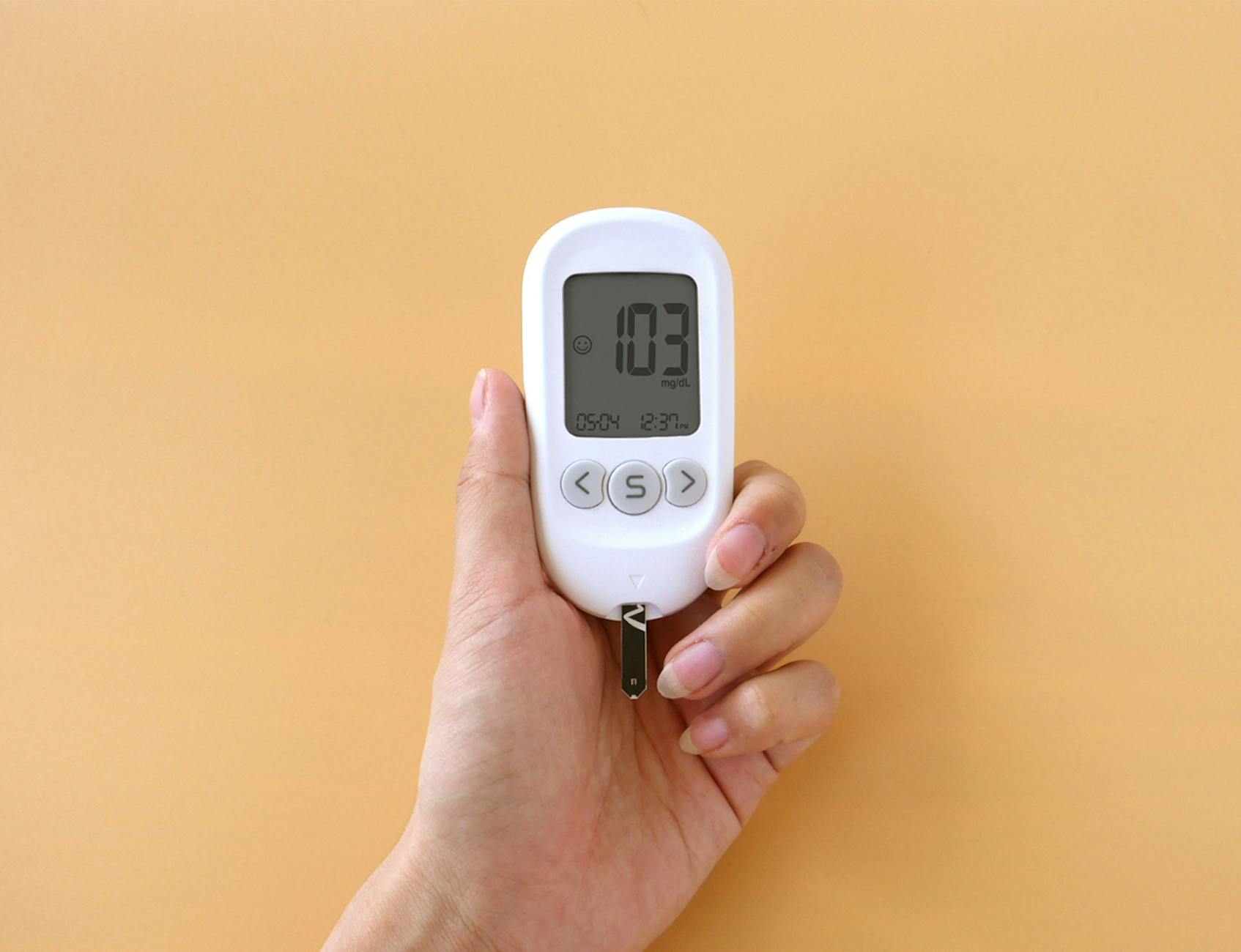
Regularly monitoring your blood glucose levels, especially in the morning, is crucial. Tracking these patterns allows you and your healthcare provider to understand how different strategies impact your blood sugar and make informed adjustments to your Type 2 diabetes management guide.
Always discuss any changes to your treatment plan with your doctor or endocrinologist.
Taming the Dawn Phenomenon for Better Type 2 Diabetes Management
The Dawn Phenomenon can be a challenging aspect of living with Type 2 Diabetes, but it is manageable. By working closely with your healthcare team to understand its causes and implement tailored strategies, you can gain better control over your morning blood sugar spikes. This proactive approach contributes to improved overall glycemic control and reduces the risk of long-term diabetes-related complications.
Remember, consistently monitoring your blood sugar levels is a powerful tool in managing your Type 2 Diabetes. Keep track of your readings and discuss any concerns with your doctor.
Frequently Asked Questions about the Dawn Phenomenon
- What exactly is the Dawn Phenomenon?
- The Dawn Phenomenon is a natural rise in blood glucose levels that occurs between 2:00 AM and 8:00 AM, as your body prepares to wake up by releasing hormones that increase glucose production.
- Is the Dawn Phenomenon common in people with Type 2 Diabetes?
- Yes, it’s very common. While the body’s morning hormone release happens to everyone, it leads to higher and more problematic blood sugar spikes in individuals with Type 2 Diabetes due to impaired insulin function.
- What causes my blood sugar to be high in the morning?
- High morning blood sugar, often due to the Dawn Phenomenon, is caused by a combination of factors: the natural release of hormones like glucagon and cortisol, which prompt the liver to release glucose, and the body’s reduced ability to use insulin effectively (insulin resistance) in Type 2 Diabetes.
- How can I lower my morning blood sugar levels?
- Strategies to lower morning blood sugar include adjusting medication timing/dosage with your doctor, eating a balanced dinner that avoids heavy or sugary foods late at night, and engaging in light physical activity in the morning. Consistent blood sugar monitoring is key to finding what works best for you.
- Should I be worried if I experience the Dawn Phenomenon?
- It’s important to discuss any persistent high morning blood sugar readings with your healthcare provider. While common, unmanaged high blood sugar can impact your overall diabetes control. Your doctor can help you adjust your management plan to address it effectively.