

Essential Diabetic Precautions for a Healthy Life
Managing diabetes requires a multifaceted approach that encompasses lifestyle modifications, dietary changes, and regular monitoring. For individuals living with diabetes, adopting the right precautions is crucial for maintaining a healthy life, preventing complications, and ensuring the condition does not significantly impact daily activities. This article will delve into the essential diabetic precautions, providing a comprehensive guide for those seeking to manage their condition effectively.
Understanding Your Diabetes
Before diving into precautions, it’s vital to have a clear understanding of your diabetes type (Type 1, Type 2, or Gestational) and how it affects your body. Consulting with your healthcare provider to grasp the specifics of your condition, including your target blood sugar ranges, is the first step in managing diabetes. This understanding will guide your approach to the precautions outlined below.
Dietary Precautions for a Balanced Life
A well-planned diet is central to diabetes management. Key dietary precautions include:
* **Eating Regular Meals:** To maintain stable blood sugar levels.
* **Choosing Complex Carbohydrates:** Foods high in fiber like whole grains, fruits, and vegetables.
* **Incorporating Lean Proteins:** Poultry, fish, and plant-based options.
* **Limiting Sugary Drinks and Foods:** Reducing intake of sweets and refined sugars.
* **Staying Hydrated:** Drinking plenty of water throughout the day.
| Foods to Focus On | Foods to Limit |
|---|---|
| Whole grains (brown rice, quinoa) | Refined grains (white bread, sugary cereals) |
| Non-starchy vegetables (broccoli, spinach) | Starchy vegetables (potatoes, corn) |
| Fatty fish (salmon, mackerel) | Processed meats (hot dogs, sausages) |
Physical Activity and Stress Management
Regular physical activity and effective stress management techniques are vital for diabetes care:
* **Engage in Aerobic Exercises:** At least 150 minutes of moderate-intensity aerobic physical activity, or 75 minutes of vigorous-intensity aerobic physical activity, or an equivalent combination of both, per week.
* **Incorporate Strength-Training Activities:** At least two times per week to build muscle.
* **Practice Stress-Reducing Techniques:** Yoga, meditation, or deep breathing exercises to manage stress levels.
Monitoring and Medication Adherence
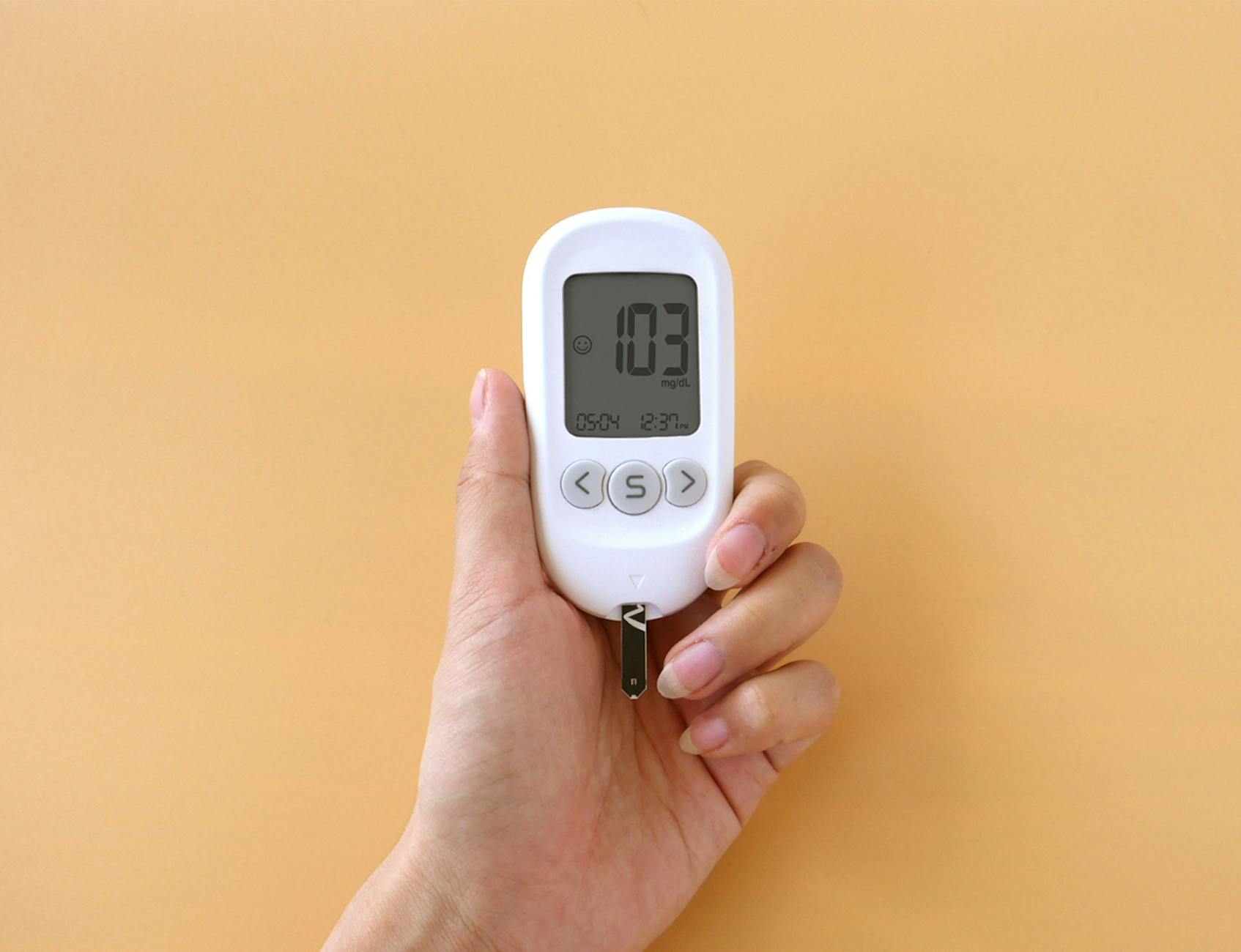
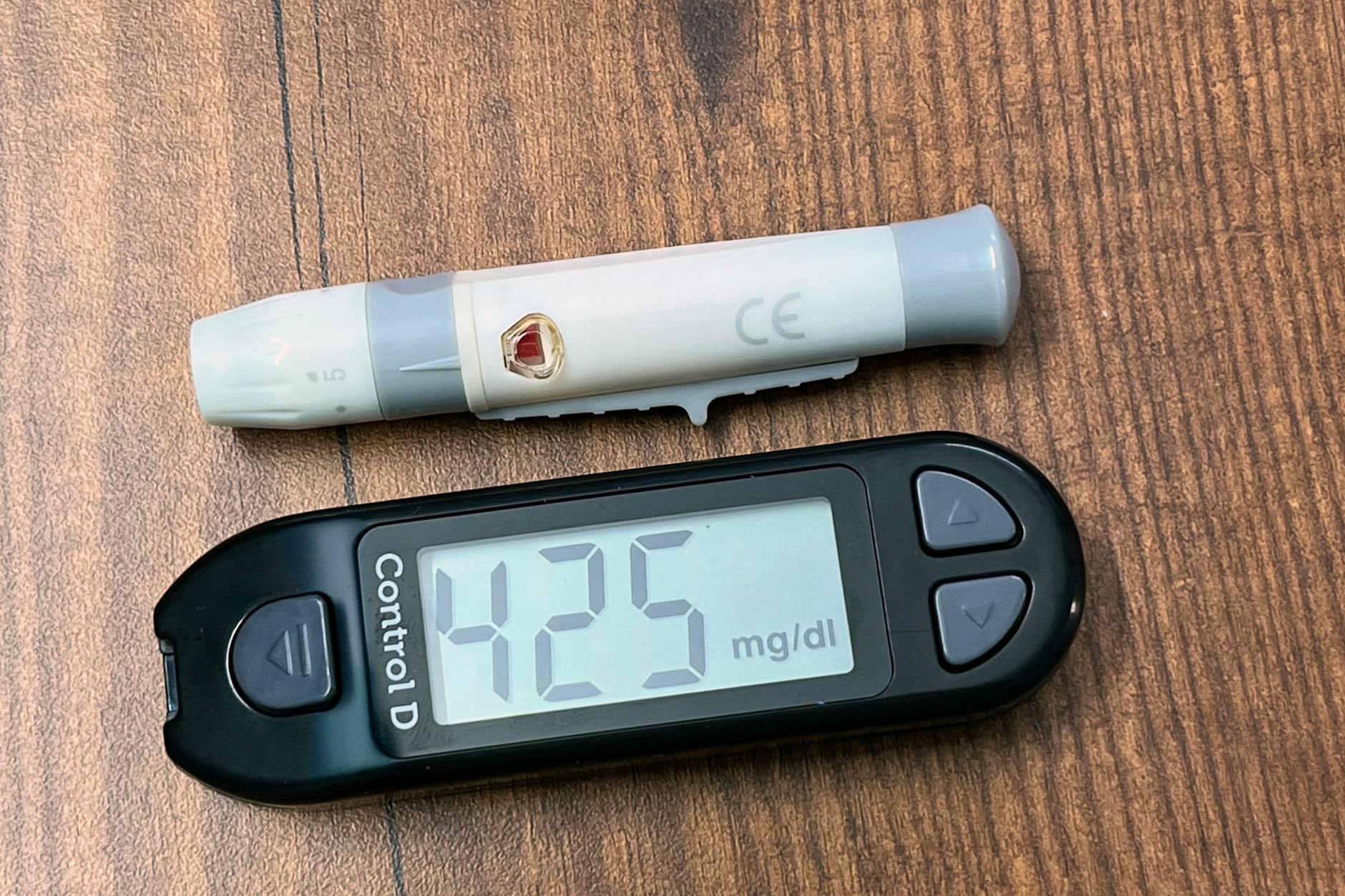
* **Regular Blood Sugar Monitoring:** As advised by your healthcare provider to track patterns and make informed decisions.
* **Adhering to Your Medication Schedule:** Taking all prescribed medications as directed, including insulin if prescribed.
Conclusion – Embracing a Healthier Tomorrow
Effective diabetes management is multifaceted, requiring a deep understanding of your condition, careful dietary planning, regular physical activity, stress management, and strict adherence to monitoring and medication regimens. By incorporating these essential precautions into your daily life, individuals with diabetes can significantly reduce the risk of complications, lead a healthier life, and improve their overall well-being. Remember, the key to a successful management plan is consistency, patience, and open communication with your healthcare team.