
**Managing Diabetes: Key Precautions for Blood Sugar Control**
Living with diabetes requires a diligent approach to managing blood sugar levels. Uncontrolled diabetes can lead to severe complications, including heart disease, kidney failure, and nerve damage. Effective blood sugar control is crucial for preventing these outcomes. This article outlines key precautions and strategies for managing diabetes, enabling individuals to lead healthier, more balanced lives. By understanding and implementing these measures, individuals with diabetes can significantly reduce the risk of associated complications.
**Understanding Your Diabetes Diagnosis**
Before diving into blood sugar control, it’s essential to understand your diabetes diagnosis. There are several types of diabetes, with Type 1, Type 2, and Gestational Diabetes being the most common. Each type has distinct management requirements. Consult with your healthcare provider to grasp the specifics of your condition, including the prescribed treatment plan, medication (if any), and the role of diet and exercise.
**Dietary Precautions for Optimal Blood Sugar Levels**
A well-planned diet is pivotal in managing diabetes. Key dietary precautions include:
* **Monitor Carbohydrate Intake**: Carbs affect blood sugar levels. Understanding carbohydrate counting can help manage your diet effectively.
* **Choose Complex Carbohydrates**: Foods high in fiber like whole grains, fruits, and vegetables are recommended.
* **Limit Sugary Foods and Drinks**: Restrict foods with added sugars to prevent spikes in blood sugar.
* **Stay Hydrated**: Drink plenty of water throughout the day.
| Food Type | Recommended Consumption | Examples |
|---|---|---|
| Complex Carbohydrates | Daily, in moderate portions | Whole wheat bread, brown rice, broccoli |
| Sugary Foods/Drinks | Limit/Rarely Consume | Soda, candy, sweetened yogurts |
**The Role of Physical Activity in Blood Sugar Control**
Regular physical activity not only helps lower blood sugar levels but also improves insulin sensitivity. Recommendations for individuals with diabetes include:
* **Aim for 150 Minutes of Moderate-Intensity Aerobic Exercise Weekly**
* **Incorporate Strength Training**: At least two times a week to build muscle, which can help lower blood sugar.
* **Monitor Your Blood Sugar Before, During, and After Exercise**: To understand how different activities affect your levels.
**Technology and Medication in Diabetes Management**
Leveraging technology and adhering to prescribed medication can significantly support blood sugar control.
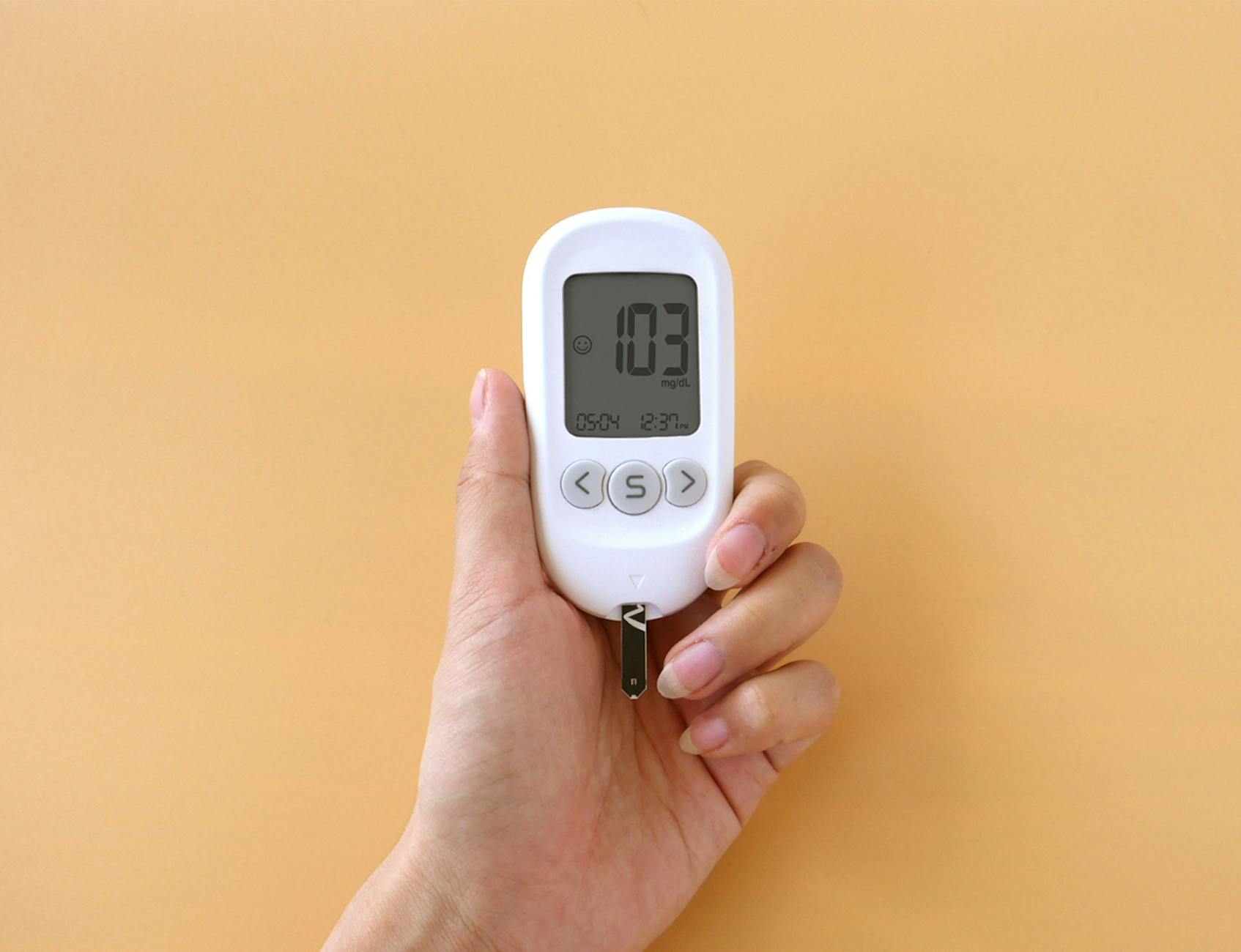
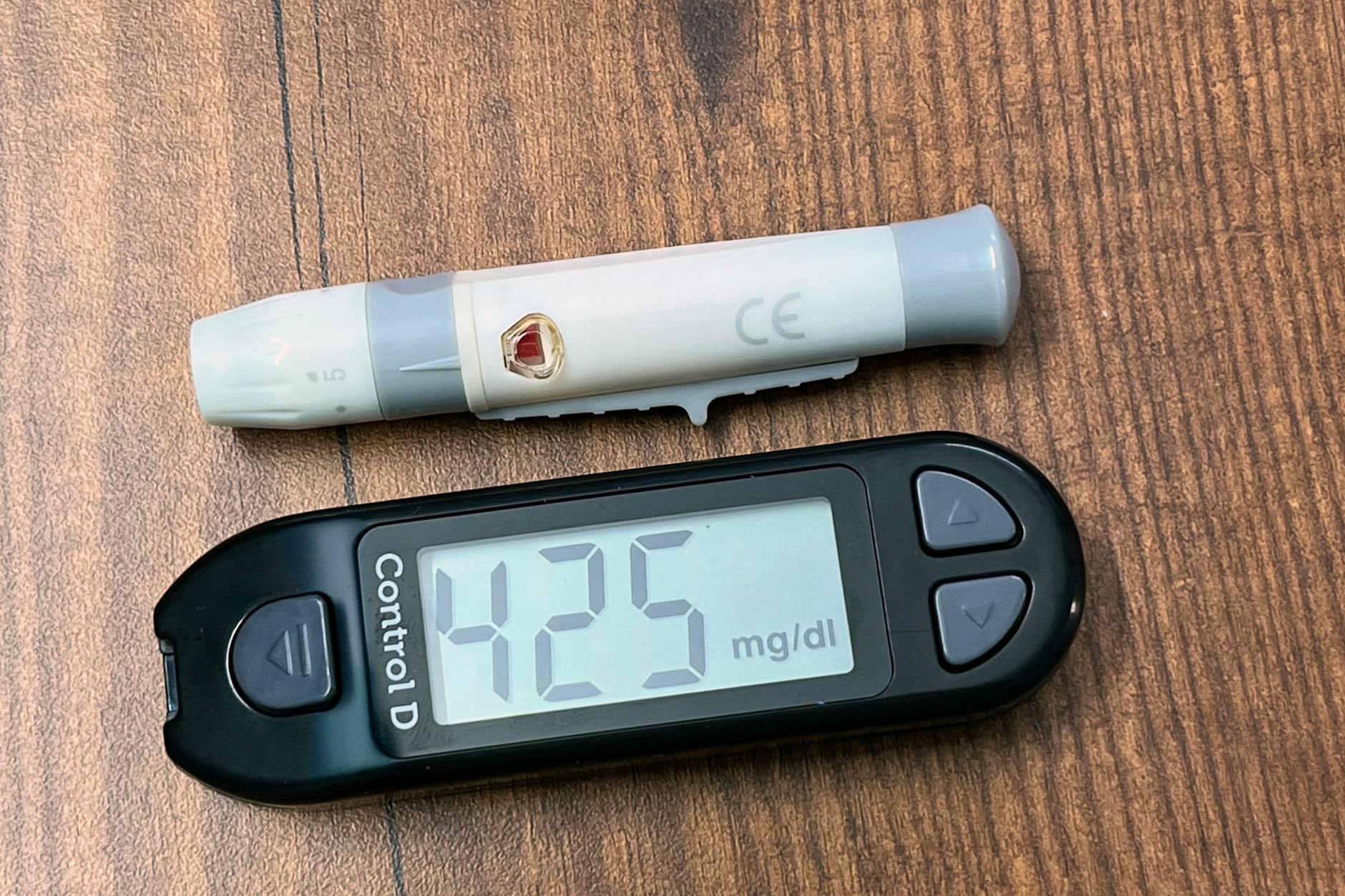
* **Utilize a Continuous Glucose Monitoring (CGM) System or Glucometer**: For real-time blood glucose readings.
* **Adhere to Your Prescribed Medication Schedule**: Missed doses can lead to uncontrolled blood sugar levels.
**Conclusion**
In conclusion, managing diabetes effectively requires a multifaceted approach incorporating dietary precautions, regular physical activity, and the judicious use of technology and medication. By understanding the specifics of your diabetes diagnosis and implementing these strategies, you can maintain optimal blood sugar levels, reducing the risk of diabetes-related complications. Continuous consultation with your healthcare provider is key to adjusting your management plan as needed, ensuring the best possible outcomes.