
Understanding Morning Blood Sugar Spikes: The Dawn Phenomenon in Type 2 Diabetes
Living with Type 2 Diabetes often presents unique challenges in maintaining stable blood sugar levels. A common and often confusing issue is experiencing unexpectedly high blood sugar readings in the early morning. This phenomenon is known as the Dawn Phenomenon.
While the Dawn Phenomenon is a natural physiological process, it can be more pronounced and harder to manage for individuals with Type 2 Diabetes. This can pose a significant hurdle to achieving optimal glucose control. This article will explain what the Dawn Phenomenon is, explore its causes, discuss how it’s diagnosed, and provide effective strategies to help you manage these morning blood sugar spikes.
What is the Dawn Phenomenon?
The Dawn Phenomenon refers to a natural increase in blood glucose levels that typically happens in the early morning, usually between 2:00 AM and 8:00 AM. This rise is a normal physiological response as your body prepares to wake up.
During these overnight hours, specific hormones like cortisol, glucagon, and growth hormone are released. These hormones signal your liver to release stored glucose, known as glycogen, into your bloodstream, providing essential energy for the upcoming day.
For individuals without diabetes, the pancreas responds to this glucose surge by releasing insulin, effectively keeping blood sugar levels balanced. However, in people with Type 2 Diabetes, the body often either resists the effects of insulin (insulin resistance) or doesn’t produce enough of it. This impaired insulin response means that the natural morning glucose release cannot be adequately managed, resulting in elevated morning blood sugar levels.
Why Do Morning Blood Sugar Spikes Occur?
Understanding why the Dawn Phenomenon occurs can significantly aid in its management. Several factors contribute to these early morning glucose elevations:
- Natural Hormonal Changes: The primary cause is the overnight increase in counter-regulatory hormones, such as cortisol, glucagon, and growth hormone. These hormones promote glucose release from the liver.
- Insulin Resistance and Deficiency: In Type 2 Diabetes, the body’s reduced ability to respond to insulin (insulin resistance) or insufficient insulin production means it cannot effectively manage the blood glucose released by the liver.
- Evening Meal Choices: Eating high-carbohydrate meals or large dinners close to bedtime can contribute to higher glucose levels overnight and into the morning.
- Inadequate Physical Activity: Insufficient physical activity can worsen insulin sensitivity, making it harder for the body to manage glucose effectively.
- Certain Medications: Some medications, including steroids and certain psychiatric drugs, can elevate blood glucose levels and exacerbate the Dawn Phenomenon.
Diagnosing and Monitoring Morning Blood Sugar Spikes
Accurately identifying the Dawn Phenomenon requires consistent monitoring of your blood sugar levels. Your healthcare provider can help you determine the best monitoring strategy for you, which may include:
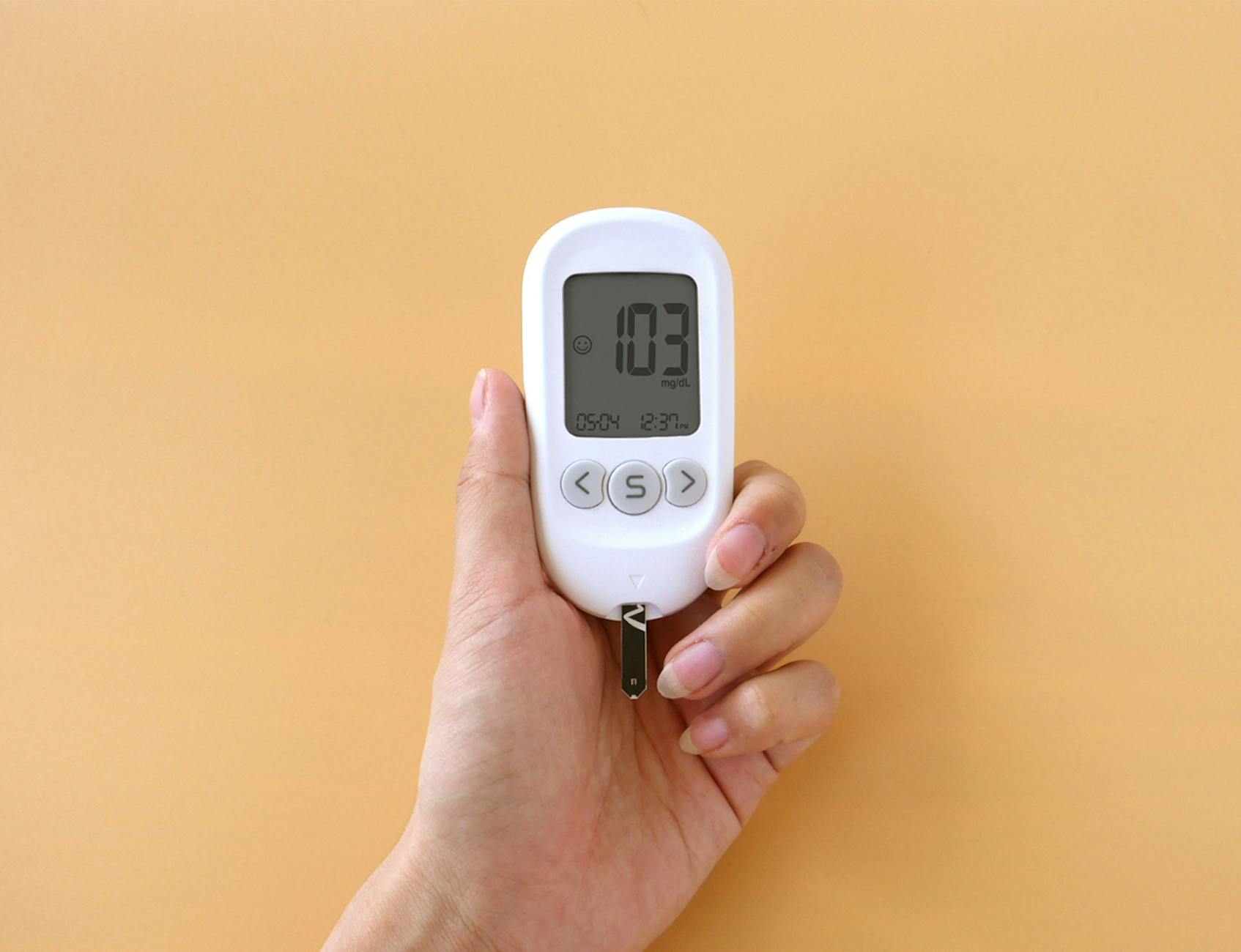
- Fasting Blood Glucose (FBG) Tests: Regularly check your blood glucose after an overnight fast, immediately upon waking. This provides a baseline for your morning levels. Keeping a log of these readings can help you and your doctor identify patterns.
- Continuous Glucose Monitoring (CGM) Systems: These devices continuously track glucose levels day and night, offering detailed insights into overnight trends. This can help confirm if blood sugar spikes are occurring during the early morning hours. Discuss with your doctor if CGM is a suitable option for you.
- Glucose Logs: Manually recording blood glucose readings at specific times, such as upon waking and before meals, helps you and your healthcare team identify patterns and potential causes of morning spikes.
Effective Strategies for Managing the Dawn Phenomenon
Managing the Dawn Phenomenon often involves a combination of lifestyle adjustments and, when necessary, medication changes. Here are some strategies that may help:
- Adjust Medication Timing: Your doctor may recommend adjusting the timing of certain diabetes medications, potentially taking them closer to bedtime, to better counteract the morning glucose surge. Always consult your healthcare provider before making any changes to your medication schedule or dosage.
- Increase Evening Physical Activity: Regular physical activity, especially in the evening, can improve insulin sensitivity. This helps your body process glucose more effectively. Even a short walk after dinner may make a positive difference.
- Dietary Adjustments: Consider reducing your carbohydrate intake at dinner, particularly refined carbohydrates. For some, a small, balanced bedtime snack (such as protein with a healthy fat) might help stabilize overnight glucose levels, while others may need to avoid late-night snacks altogether. It’s best to experiment under the guidance of your doctor or a registered dietitian.
- Stress Reduction: Chronic stress can lead to elevated cortisol levels, which may potentially worsen morning blood sugar spikes. Incorporating stress-reducing techniques, such as yoga, meditation, or deep breathing exercises, into your daily routine can be beneficial.
- Regular Check-ups: Work closely with your healthcare team to regularly review your blood sugar patterns. They can help adjust your diabetes management plan as needed to address the Dawn Phenomenon. For more comprehensive guidance on managing your condition, explore our Type 2 diabetes management guide.
Conclusion
The Dawn Phenomenon, while a common challenge for individuals with Type 2 Diabetes, is manageable. It stems from natural hormonal fluctuations coupled with underlying insulin resistance and deficiency. By understanding how it works, accurately diagnosing its occurrence, and implementing personalized management strategies, you can achieve better control over your morning blood sugar levels.
A holistic approach that combines lifestyle modifications, consistent blood sugar monitoring, and close collaboration with your healthcare provider is vital for mitigating the effects of the Dawn Phenomenon and enhancing your overall diabetes management. Remember, diligent monitoring of your blood sugar is crucial for understanding your body’s unique response and adjusting your plan effectively to maintain your health.
Frequently Asked Questions About the Dawn Phenomenon
What time does the Dawn Phenomenon usually occur?
The Dawn Phenomenon typically causes blood sugar levels to rise between 2:00 AM and 8:00 AM, as the body prepares for waking by releasing certain hormones.
Is the Dawn Phenomenon the same as the Somogyi effect?
No, they are different. The Dawn Phenomenon involves a natural rise in blood sugar due to morning hormones. The Somogyi effect (or rebound hyperglycemia) occurs when blood sugar drops too low overnight, triggering a release of hormones that cause a rebound high in the morning. Monitoring overnight glucose levels can help distinguish between the two.
Can diet help manage the Dawn Phenomenon?
Yes, dietary adjustments can play a role. Reducing carbohydrate intake at dinner, particularly refined carbs, and discussing appropriate bedtime snacks (or avoiding them) with your doctor or dietitian can help stabilize morning blood sugar.
Should I adjust my medication if I experience the Dawn Phenomenon?
You should never adjust your medication dosage or timing without consulting your healthcare provider. They can assess your blood sugar patterns and recommend appropriate changes to your diabetes management plan.
How can I tell if I have the Dawn Phenomenon?
Consistent monitoring of your blood sugar, especially your fasting morning levels and potentially using a continuous glucose monitor (CGM), can help you and your doctor identify if you are experiencing the Dawn Phenomenon. Keeping a detailed log of your readings is also beneficial.