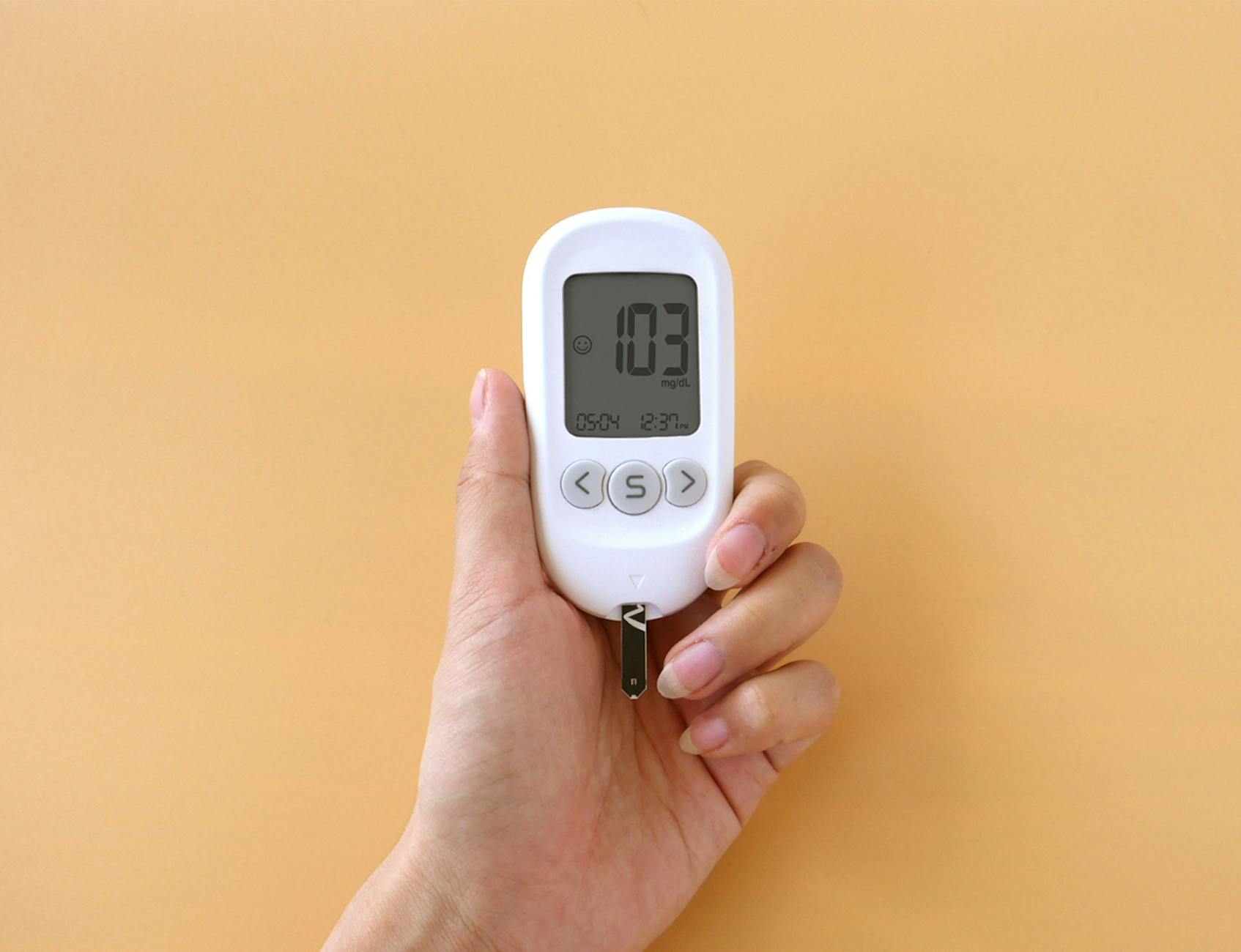

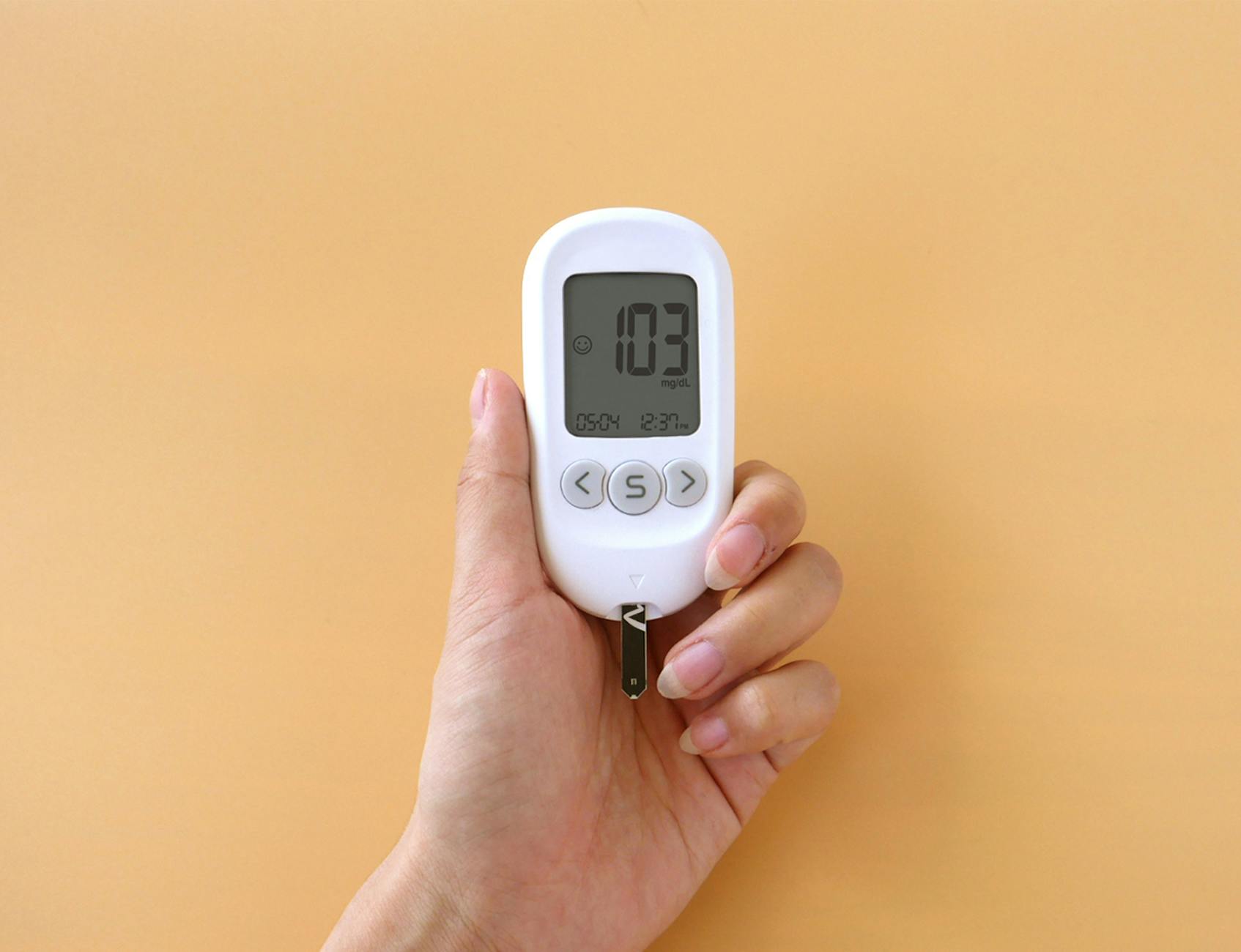
Dawn Phenomenon: Managing Morning Blood Sugar in Type 2 Diabetes
For individuals living with Type 2 Diabetes, maintaining stable blood sugar levels is a continuous journey. A common and often perplexing challenge is experiencing high blood sugar readings in the morning. This phenomenon is known as the Dawn Phenomenon.
The Dawn Phenomenon is a natural physiological process. It occurs when your body prepares to wake up, releasing hormones that can inadvertently raise blood glucose. Understanding and managing this daily fluctuation is key to better diabetes control and overall well-being.
This comprehensive guide will explore the causes, recognize the symptoms, and outline effective management strategies for the Dawn Phenomenon. Empower yourself with knowledge to better regulate your morning blood sugar spikes and achieve a healthier start to your day. For broader guidance on managing your condition, you can refer to our Type 2 diabetes management guide.
Understanding the Dawn Phenomenon
The Dawn Phenomenon typically manifests between 2:00 AM and 8:00 AM. It is driven by the body’s natural hormonal changes. Several factors contribute to this rise in blood glucose:
- Hormone Release: During the early morning hours, your body naturally releases hormones such as cortisol, growth hormone, and glucagon. These hormones signal the liver to produce more glucose, providing energy to wake up.
- Insulin Resistance: For individuals with Type 2 Diabetes, the body may not produce enough insulin, or the cells become resistant to the insulin produced. This reduces the body’s ability to effectively use insulin to counteract the increased glucose production from the liver.
- Overnight Glucose Metabolism: Factors like the previous day’s diet and physical activity can influence how your body metabolizes glucose overnight. This can potentially contribute to higher morning levels.
The Role of Key Hormones
Here’s a closer look at the role of key hormones in the Dawn Phenomenon:
| Hormone | Role in Dawn Phenomenon |
|---|---|
| Cortisol | Stimulates glucose release from stored energy sources in the liver. |
| Glucagon | Increases glucose production and release from the liver. |
| Growth Hormone | Can reduce insulin sensitivity, further contributing to elevated blood sugar. |
| Insulin | Normally helps transport glucose into cells; reduced effectiveness contributes to the Dawn Phenomenon. |
Recognizing Symptoms and Diagnosis
The symptoms of the Dawn Phenomenon can be subtle. However, consistent monitoring can help identify it. Pay attention to these potential signs:
- Consistently high blood glucose readings upon waking, particularly before breakfast.
- Increased thirst, especially in the morning.
- Frequent urination during the night or early morning.
- Unexplained fatigue despite adequate sleep.
Accurate Diagnosis
Accurate diagnosis requires collaboration with your healthcare provider. The process typically involves:
- Consistent Blood Glucose Monitoring: Regularly checking and recording your blood sugar levels between 2:00 AM and 8:00 AM over several nights.
- Reviewing Medication and Diet Plans: Your doctor will assess your current diabetes medications, dosages, and dietary habits to identify any contributing factors.
- Continuous Glucose Monitoring (CGM): In some cases, a CGM system may be recommended to provide more extensive data on overnight blood glucose trends.
Effective Strategies for Managing the Dawn Phenomenon
Managing high morning blood sugar involves a combination of lifestyle adjustments and, if necessary, medication changes. Always undertake these changes under the guidance of your healthcare provider.
Dietary Adjustments
Strategic meal planning, particularly in the evening, can significantly impact your morning blood sugar levels.
- Evening Meal Planning: Avoid heavy carbohydrates and sugary foods close to bedtime. Opt for smaller, balanced meals.
- Fiber-Rich Foods: Incorporate fiber into your evening meal. Fiber helps slow down glucose absorption, preventing rapid spikes.
- Protein and Healthy Fats: Pairing carbohydrates with protein and healthy fats can also help stabilize blood sugar overnight.
Physical Activity
Regular physical activity enhances insulin sensitivity, which is beneficial for managing the Dawn Phenomenon.
- Gentle Evening Exercise: A light walk or other moderate activity in the late afternoon or early evening can improve insulin sensitivity overnight.
- Consistent Daytime Activity: Regular physical activity throughout the day contributes to better overall glucose metabolism and control.
Medication Review
Your healthcare provider may consider adjusting your medication regimen to address morning blood sugar spikes.
- Adjusting Evening Insulin Doses: For individuals on insulin, a change in the timing or dose of evening insulin (e.g., switching to a longer-acting insulin or adjusting the basal rate) might be effective.
- Adding Medications: Certain oral medications or injectables that enhance insulin sensitivity or reduce liver glucose production may be prescribed.
Conclusion
While the Dawn Phenomenon is a natural physiological process, it does not have to be an unmanageable challenge for individuals with Type 2 Diabetes. By understanding its causes, recognizing the signs, and actively implementing tailored dietary, activity, and potentially medication adjustments, you can gain better control over your morning blood sugar spikes.
Working closely with your healthcare provider is paramount to developing a personalized management plan that suits your specific needs. Regular communication and adjustments based on your blood sugar readings will ensure a more balanced and healthier daily start. Take control of your mornings and contribute to long-term wellness and reduced complications associated with diabetes.
Remember to monitor your blood sugar regularly and discuss any concerns with your doctor.
Frequently Asked Questions About the Dawn Phenomenon
- What is the Dawn Phenomenon?
- The Dawn Phenomenon is a natural rise in blood sugar that occurs in the early morning hours (typically between 2:00 AM and 8:00 AM) due to the release of hormones that signal the liver to produce more glucose.
- What causes high morning blood sugar in Type 2 Diabetes?
- High morning blood sugar in Type 2 Diabetes, specifically the Dawn Phenomenon, is caused by the natural release of hormones like cortisol, growth hormone, and glucagon in the early morning, combined with insulin resistance or insufficient insulin production.
- What are the symptoms of the Dawn Phenomenon?
- Symptoms of the Dawn Phenomenon can include consistently high blood glucose readings upon waking, increased thirst, frequent urination during the night or early morning, and unexplained fatigue.
- How can I manage the Dawn Phenomenon?
- Managing the Dawn Phenomenon often involves dietary adjustments (avoiding heavy carbohydrates and sugars at night, increasing fiber), incorporating gentle evening physical activity, and potentially medication adjustments as advised by your healthcare provider.
- When should I contact my doctor about high morning blood sugar?
- You should contact your doctor if you consistently experience high morning blood sugar readings, if your symptoms worsen, or if you have any concerns about managing your blood glucose levels. Your doctor can help adjust your treatment plan.
- Can exercise help with the Dawn Phenomenon?
- Yes, regular physical activity, especially gentle exercise in the late afternoon or early evening, can improve insulin sensitivity and help manage the Dawn Phenomenon. Consistent daytime activity also contributes to better overall glucose metabolism.