

Morning Blood Sugar Spikes in Type 2 Diabetes: Understanding and Management
For individuals living with Type 2 Diabetes, maintaining stable blood sugar levels is a crucial aspect of health management. A common and often challenging issue is the tendency for blood glucose levels to rise significantly during the early morning hours. This phenomenon, widely known as the “Dawn Phenomenon,” can impact overall glucose control and leave many wondering about its causes and effective management strategies.
This article will explain the Dawn Phenomenon, why it occurs in Type 2 Diabetes, how to identify it, and most importantly, practical strategies to help you mitigate its effects for better blood sugar control.
What is the Dawn Phenomenon?
The Dawn Phenomenon refers to the natural increase in blood glucose levels that typically happens between 2:00 AM and 8:00 AM. This early morning surge is a normal physiological process as your body prepares for waking by releasing a cocktail of hormones. These hormones signal your liver to produce and release more glucose into your bloodstream, providing energy for the day ahead.
Key hormones involved in stimulating the liver to release glucose include:
- Cortisol
- Glucagon
- Growth hormone
While this hormonal response affects everyone, it becomes particularly noticeable and problematic for individuals with Type 2 Diabetes. This is because their bodies have an impaired ability to produce or effectively use insulin, making it harder to counteract the rise in blood sugar triggered by these morning hormones.
Why Morning Blood Sugar Spikes Occur in Type 2 Diabetes
Several factors contribute to the Dawn Phenomenon in those with Type 2 Diabetes, exacerbating the natural morning glucose rise:
- Hormonal Changes: The natural release of hormones like cortisol, glucagon, and growth hormone in the early morning hours prompts the liver to produce more glucose.
- Insulin Resistance: A hallmark of Type 2 Diabetes, where the body’s cells do not respond efficiently to insulin. This means the naturally released insulin cannot adequately manage the extra glucose produced by the liver, leading to higher blood sugar levels.
- Previous Day’s Diet and Activity: What you eat and how active you are can influence your morning blood sugar. High carbohydrate intake in the evening or insufficient physical activity the day before can contribute to elevated baseline blood glucose levels, making morning spikes more pronounced.
Recognizing the Signs of Morning Spikes
Some individuals may not experience noticeable symptoms from morning blood sugar spikes. However, others might observe certain indicators, particularly if their glucose levels are consistently high:
- Frequent urination, especially during the night or early morning
- Increased thirst
- Blurred vision
- Unexplained fatigue or low energy upon waking
If you consistently experience these symptoms, it is important to discuss them with your healthcare provider. They can help determine if the Dawn Phenomenon or another issue is contributing to your morning blood sugar levels.
Diagnosing and Monitoring the Dawn Phenomenon
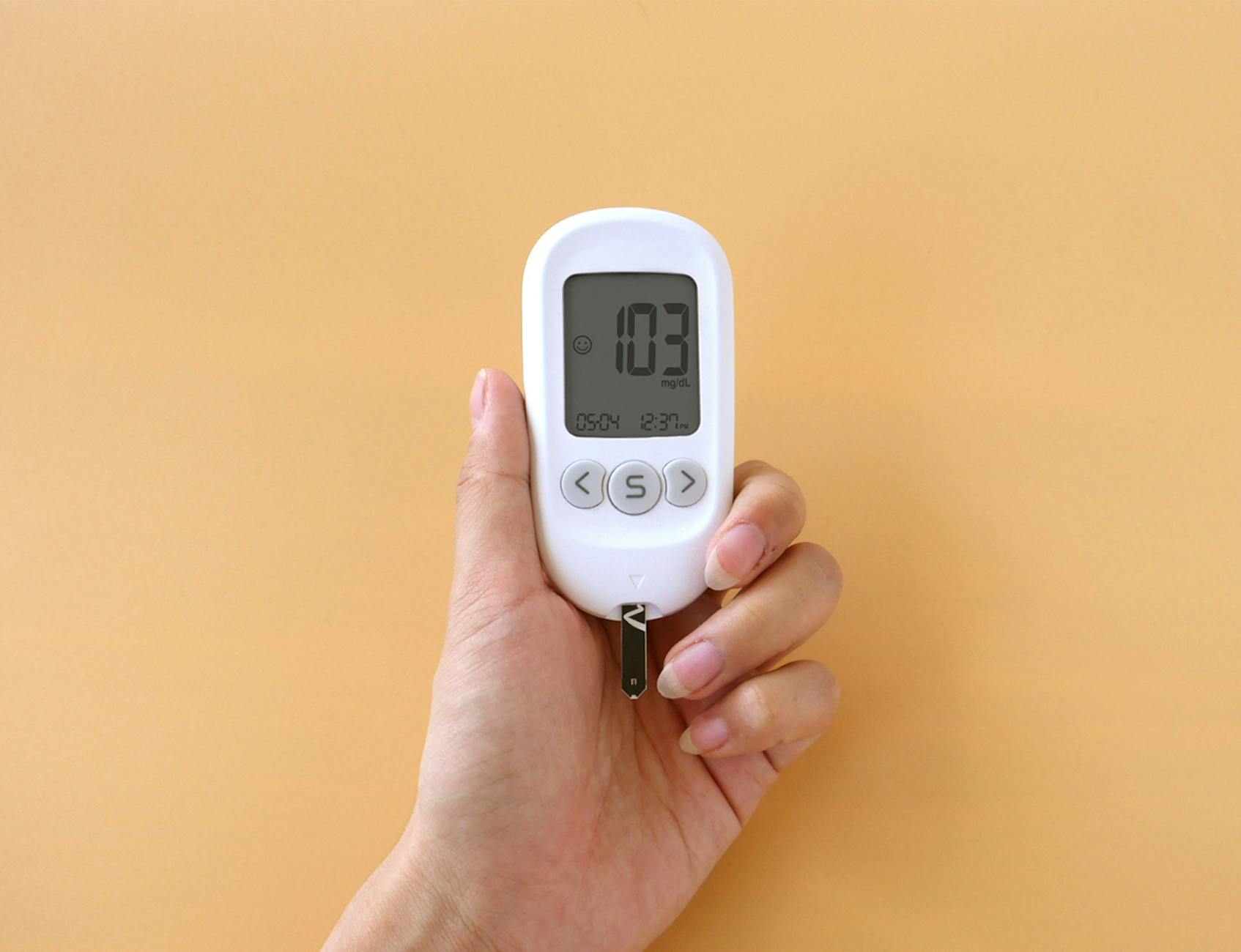
Accurately identifying the Dawn Phenomenon relies heavily on consistent blood glucose monitoring. This allows you and your healthcare team to observe patterns in your glucose levels over time.
Key Monitoring Methods:
- Fasting Blood Glucose (FBG) Tests: This test measures your blood glucose level after an overnight fast (typically 8-12 hours). Consistently elevated fasting levels upon waking can suggest the presence of the Dawn Phenomenon.
- Continuous Glucose Monitoring (CGM) Systems: CGM provides a comprehensive, real-time view of your glucose trends throughout the day and night. It is highly effective in revealing specific patterns of glucose elevation during the early morning hours, offering invaluable data for diagnosis and management adjustments.
Understanding Monitoring Results:
Here’s a general overview of monitoring methods and potential indicators:
| Monitoring Method | Typical Timing | Potential Indicator for Review (mg/dL) |
|---|---|---|
| Fasting Blood Glucose (FBG) | Upon waking, before eating | > 130 mg/dL (can be indicative of the Dawn Phenomenon in Type 2 Diabetes) |
| Continuous Glucose Monitoring (CGM) | Overnight, peaking between 2-3 AM | Varies by individual; significant spikes > 150 mg/dL warrant review with a healthcare provider |
Managing Morning Blood Sugar Spikes in Type 2 Diabetes
Effectively managing the Dawn Phenomenon often involves a personalized combination of lifestyle adjustments and, if necessary, medication modifications. It is crucial to always consult your healthcare provider before making any changes to your diabetes treatment plan.
Strategies to Consider:
- Adjust Medication Timing: Your healthcare provider may recommend adjusting the timing of certain diabetes medications, such as taking them closer to bedtime. This can help the medication’s effects coincide with the early morning hormonal surge, thereby helping to control glucose spikes.
- Dietary Adjustments: Thoughtful food choices, especially in the evening, can make a significant difference.
- Limit high-carbohydrate foods at dinner and in the late evening.
- Opt for a balanced dinner that includes lean protein, healthy fats, and fiber-rich vegetables.
- Avoid late-night snacks that are high in sugar or refined carbohydrates.
- Incorporate Physical Activity: Regular physical activity, particularly after dinner, can significantly help improve insulin sensitivity and lower blood glucose levels. Aim for consistency in your exercise routine.
- Regular Monitoring: Consistent use of CGM systems or routine FBG tests is paramount. Tracking your glucose patterns provides invaluable insights, empowering you and your healthcare team to make informed adjustments to your management plan.
For a comprehensive approach to managing your condition, explore our Type 2 diabetes management guide.
Conclusion
The Dawn Phenomenon presents a distinct challenge for individuals with Type 2 Diabetes, contributing to elevated morning blood sugar levels. This occurs due to a complex interplay of natural hormonal fluctuations, underlying insulin resistance, and lifestyle influences.
By understanding its causes, recognizing potential symptoms, and utilizing appropriate diagnostic and monitoring tools, you can work proactively with your healthcare team to implement targeted management strategies. Through careful adjustments to medication timing, thoughtful dietary choices, regular physical activity, and consistent glucose monitoring, it is possible to better control the Dawn Phenomenon and achieve more stable blood glucose levels throughout the day.
Take charge of your health: Regularly monitor your blood sugar levels to understand your body’s unique patterns and effectively manage your Type 2 Diabetes.
Frequently Asked Questions About Morning Blood Sugar Spikes
Q: What is the main cause of the Dawn Phenomenon?
A: The Dawn Phenomenon is primarily caused by the natural release of hormones like cortisol, glucagon, and growth hormone in the early morning hours (typically between 2 AM and 8 AM). These hormones signal the liver to release stored glucose, leading to a rise in blood sugar levels.
Q: Does everyone experience the Dawn Phenomenon?
A: While the hormonal surge that causes the Dawn Phenomenon occurs in everyone, it is more pronounced and problematic for individuals with Type 2 Diabetes. This is because their bodies have an impaired ability to produce or effectively utilize insulin, making it harder to regulate blood sugar effectively in response to these hormones.
Q: How can I tell if my morning blood sugar spike is due to the Dawn Phenomenon?
A: The most reliable way is through consistent blood glucose monitoring. If your blood sugar levels are consistently high between 2 AM and 8 AM, especially upon waking after an overnight fast, it may indicate the Dawn Phenomenon. Continuous Glucose Monitoring (CGM) systems are particularly useful for identifying this specific pattern throughout the night.
Q: What is the difference between the Dawn Phenomenon and the Somogyi Effect?
A: The Dawn Phenomenon is a natural rise in blood sugar due to morning hormonal release. The Somogyi Effect, also known as rebound hyperglycemia, occurs when blood sugar drops too low during the night (often from too much insulin/medication or insufficient food intake), prompting the body to release hormones that cause a reactive high blood sugar level in the morning. Monitoring blood sugar around 2-3 AM can help differentiate between these two phenomena.
Q: What dietary changes can help manage morning blood sugar spikes?
A: Dietary adjustments can be very helpful. Strategies include limiting high-carbohydrate foods in the evening, opting for a balanced dinner with lean protein, healthy fats, and fiber-rich vegetables, and avoiding late-night snacks that are high in sugar or refined carbohydrates. Always discuss specific dietary plans with your healthcare provider or a registered dietitian.
Q: When should I consult my doctor about morning blood sugar spikes?
A: You should consult your doctor if you consistently experience high morning blood sugar levels, or if you notice new or worsening symptoms such as frequent urination, increased thirst, or persistent fatigue. Your healthcare provider can help diagnose the underlying cause and adjust your treatment plan to better manage your blood sugar.