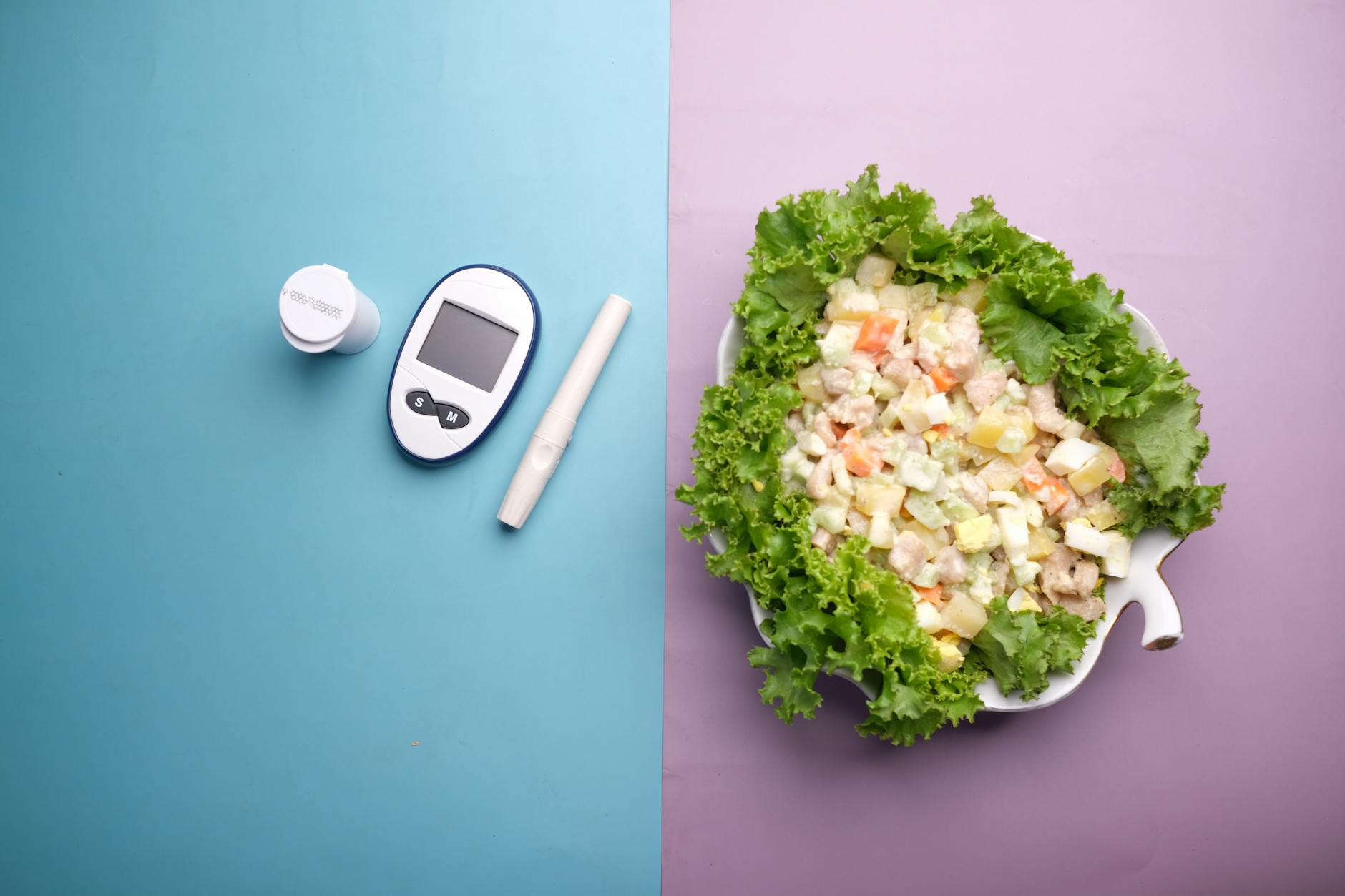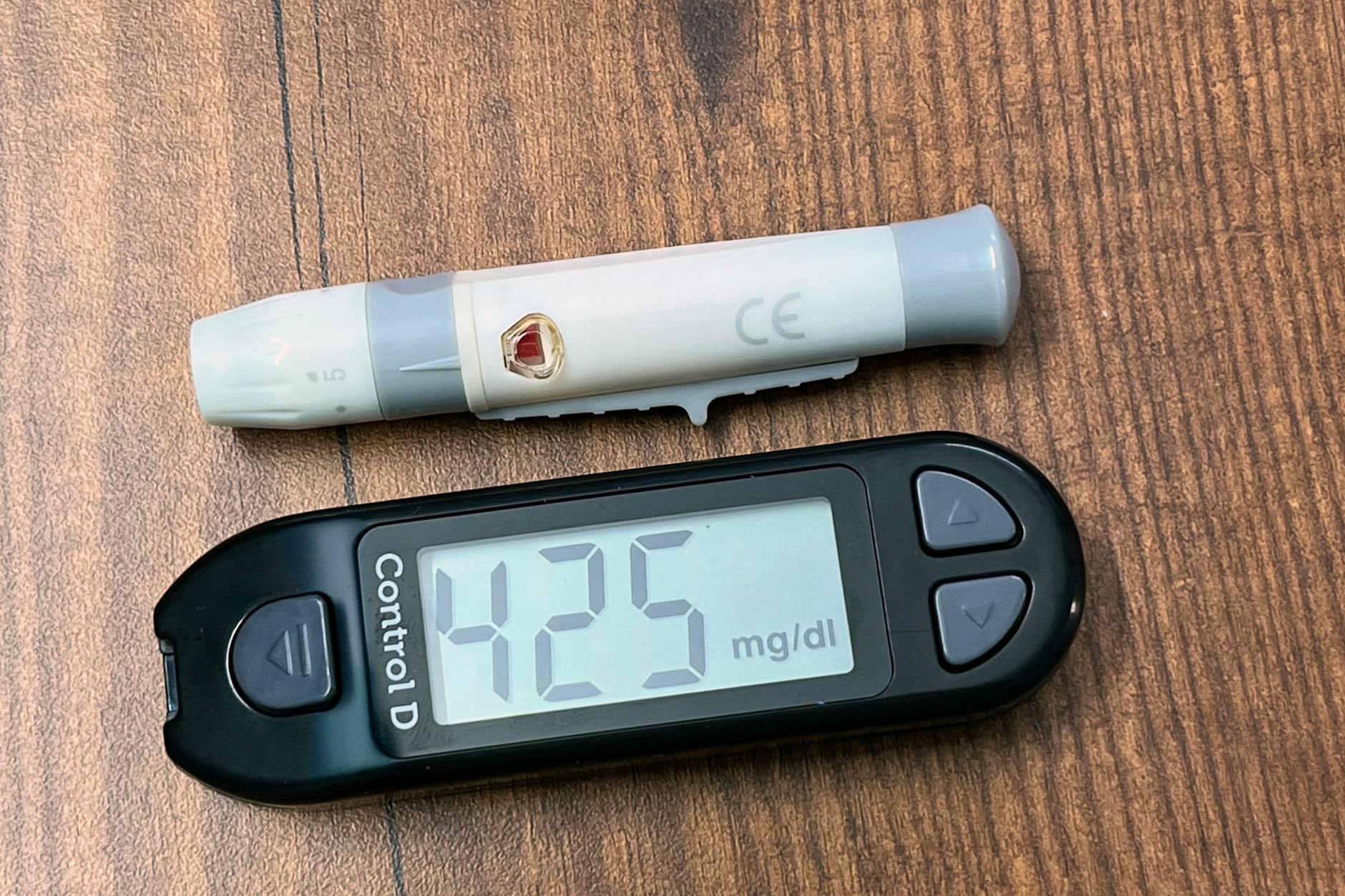

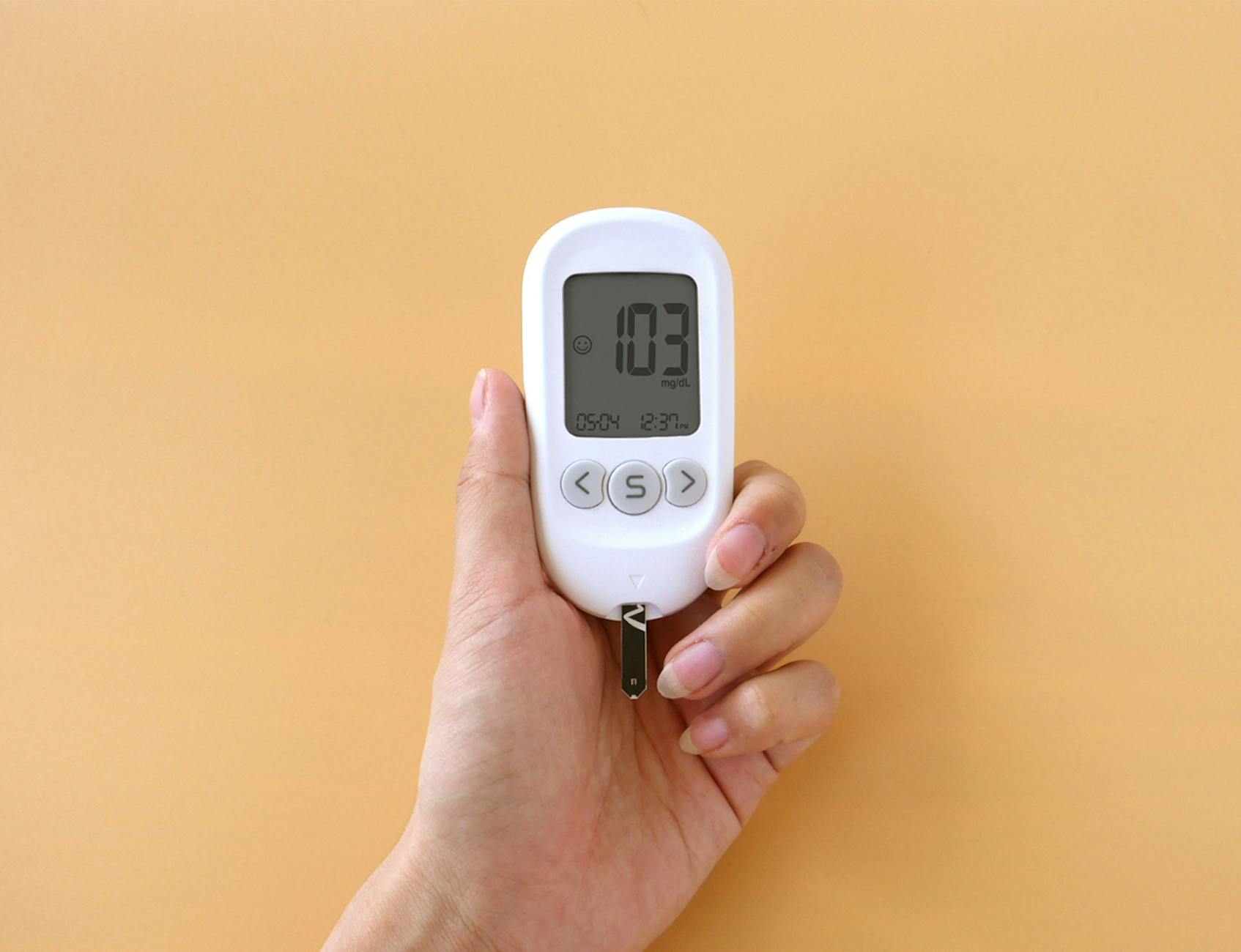
For individuals managing diabetes, maintaining stable blood sugar levels is a constant, critical endeavor. Among the various challenges, hypoglycemia, or low blood sugar, stands out as a particularly immediate and potentially dangerous concern. It is a condition where glucose levels in the blood drop too low, depriving the body and brain of essential energy. The repercussions can range from mild discomfort to severe emergencies, making proactive prevention indispensable. This guide is designed to empower diabetics with the knowledge and strategies needed to navigate their condition effectively, minimize the risk of hypoglycemic episodes, and foster a more predictable and stable blood sugar environment, ultimately enhancing their quality of life and long-term health.
Understanding hypoglycemia: What it is and why it matters
Hypoglycemia occurs when your blood glucose level falls below 70 mg/dL, though individual thresholds can vary. It’s not merely an inconvenience; it’s a critical imbalance that signals the body is running low on its primary fuel source. Recognizing the symptoms and understanding the underlying causes are the first steps toward effective prevention. Common mild to moderate symptoms include shakiness, sweating, rapid heartbeat, hunger, dizziness, confusion, irritability, and blurred vision. Severe hypoglycemia can lead to disorientation, seizures, loss of consciousness, and, in rare cases, coma or death. The brain relies heavily on glucose, and prolonged deprivation can cause lasting damage, including cognitive impairment.
Several factors can trigger hypoglycemia. Often, it’s a mismatch between medication (insulin or certain oral diabetes drugs), food intake, and physical activity. Taking too much insulin or medication, skipping meals, delaying meals, eating too little carbohydrate for the medication dose, or engaging in unusually strenuous exercise without adjusting medication or food intake can all lead to a dip in blood sugar. Alcohol consumption, especially on an empty stomach, also poses a significant risk as it impairs the liver’s ability to release stored glucose. Understanding these triggers is paramount for building a robust prevention strategy.
Proactive prevention strategies: Diet, timing, and medication management
Effective hypoglycemia prevention is a cornerstone of daily diabetes management, built upon consistent habits and careful planning. The most significant proactive steps lie in meticulous dietary management and precise medication adherence.
- Consistent carbohydrate intake: Work with a dietitian or certified diabetes educator to establish a consistent daily carbohydrate intake, distributed evenly across meals and snacks. Avoiding skipped meals is crucial, as is matching your carbohydrate intake to your insulin or medication dosage.
- Meal timing: Eat meals and snacks at regular, predictable intervals. If you anticipate a delay in a meal, plan for a small, balanced snack to bridge the gap.
- Balancing meals: Incorporate a mix of complex carbohydrates, proteins, and healthy fats at each meal. This helps slow down glucose absorption, preventing rapid spikes and subsequent crashes.
- Medication accuracy: Always double-check insulin dosages and oral medication amounts before administration. Understand the peak action times of your medications, which is when they are most potent, and plan your food intake and activity around these times. Never adjust medication dosages without consulting your healthcare provider.
- Exercise adjustments: Physical activity lowers blood sugar, sometimes hours after a workout. Monitor your blood glucose before, during, and after exercise. You may need to reduce insulin doses or consume extra carbohydrates before and during activity, particularly for prolonged or intense exercise. Carry fast-acting carbohydrates with you during workouts.
The crucial role of monitoring and emergency preparedness
Vigilant blood glucose monitoring and a well-thought-out emergency plan are non-negotiable for preventing and promptly treating hypoglycemia. Regular monitoring provides real-time data, allowing you to identify trends and intervene before a severe episode occurs.
- Self-monitoring blood glucose (SMBG): Test your blood sugar levels as frequently as recommended by your doctor, especially before and after meals, before and after exercise, at bedtime, and whenever you suspect low blood sugar.
- Continuous glucose monitors (CGMs): For many, CGMs offer an invaluable tool, providing continuous blood sugar readings and trend arrows. These devices can alert you when your glucose is dropping rapidly or falling below a set threshold, offering an earlier opportunity to intervene.
- Recognizing individual symptoms: Learn to identify your body’s unique warning signs of hypoglycemia. These can vary and may even change over time.
- Emergency kit: Always carry a source of fast-acting carbohydrates. These are critical for raising blood sugar quickly when symptoms appear. Aim for 15 grams of carbohydrates.
- Glucagon kit: For severe hypoglycemia where you might be unable to treat yourself, a glucagon emergency kit is essential. Ensure family members, friends, or caregivers know how and when to administer it.
- Medical identification: Wear a medical ID bracelet or necklace indicating you have diabetes. This alerts emergency personnel to your condition if you become unresponsive.
Here’s a guide to common fast-acting carbohydrates suitable for treating hypoglycemia:
| Fast-acting carbohydrate | Typical serving size (approx. 15g carbs) |
| Glucose tablets | 3-4 tablets (4g each) |
| Fruit juice (apple, orange, grape) | 1/2 cup (4 ounces) |
| Regular soda (not diet) | 1/2 cup (4 ounces) |
| Hard candy (e.g., lifesavers, jelly beans) | 5-6 pieces |
| Honey or sugar | 1 tablespoon |
Lifestyle factors and continuous management
Beyond diet, medication, and monitoring, several lifestyle factors play a significant role in managing blood sugar stability and preventing hypoglycemia. Integrating these into your routine fosters a more holistic approach to diabetes care.
- Alcohol consumption: Alcohol can lower blood sugar, sometimes many hours after consumption, especially if consumed on an empty stomach. If you choose to drink, do so in moderation, with food, and monitor your blood sugar closely, particularly before bed.
- Stress management: While stress doesn’t directly cause hypoglycemia, it can affect blood sugar levels and complicate diabetes management. Learning stress-reduction techniques like meditation, yoga, or deep breathing can contribute to overall stability.
- Adequate sleep: Poor sleep can impact insulin sensitivity and glucose metabolism, potentially making blood sugar more unpredictable. Aim for 7-9 hours of quality sleep per night.
- Regular healthcare check-ups: Maintain open communication with your endocrinologist or primary care physician. Regular appointments allow for adjustments to your treatment plan based on your blood sugar patterns, lifestyle changes, and overall health.
- Hydration: While not directly preventing hypoglycemia, staying well-hydrated is crucial for overall health and proper bodily function, supporting better diabetes management.
- Education and support: Continuously educate yourself about diabetes and connect with support groups. Sharing experiences and learning from others can be incredibly empowering.
Preventing hypoglycemia is an ongoing, dynamic process that requires vigilance, education, and a proactive approach. By consistently applying the strategies outlined in this guide – including meticulous dietary planning, precise medication management, diligent blood glucose monitoring, and comprehensive emergency preparedness – individuals with diabetes can significantly reduce their risk of low blood sugar episodes. Remember, lifestyle factors such as alcohol moderation, stress reduction, and adequate sleep also contribute to overall blood sugar stability. Empowering yourself with knowledge and maintaining open communication with your healthcare team are the most crucial steps towards achieving stable blood sugar and living a healthier, more predictable life with diabetes. Consistent effort leads to greater control and peace of mind.