
**The Ultimate Guide to Diabetes Reversal: Lifestyle Changes That Work**
**Introduction**
Reversing diabetes requires a multifaceted approach that goes beyond mere medication. While there’s no one-size-fits-all solution, incorporating specific lifestyle changes can significantly impact blood sugar management and, in some cases, even reverse the condition. This comprehensive guide will delve into the most effective lifestyle modifications that can help individuals with diabetes take control of their health. From diet and exercise to stress management and monitoring, we’ll explore the key elements of a successful diabetes reversal strategy.
**Understanding Diabetes Reversal**
Before diving into the lifestyle changes, it’s essential to understand what diabetes reversal entails. Reversal, in this context, means achieving normal blood sugar levels without medication or, at the very least, significantly reducing reliance on diabetes drugs. This is more plausible for individuals with type 2 diabetes or those in the early stages of the disease.
* **Type 2 Diabetes:** Can often be reversed through lifestyle changes
* **Type 1 Diabetes:** Currently, there’s no known cure, but lifestyle changes can enhance management
* **Prediabetes:** Lifestyle changes can prevent progression to type 2 diabetes
**Dietary Changes for Diabetes Reversal**
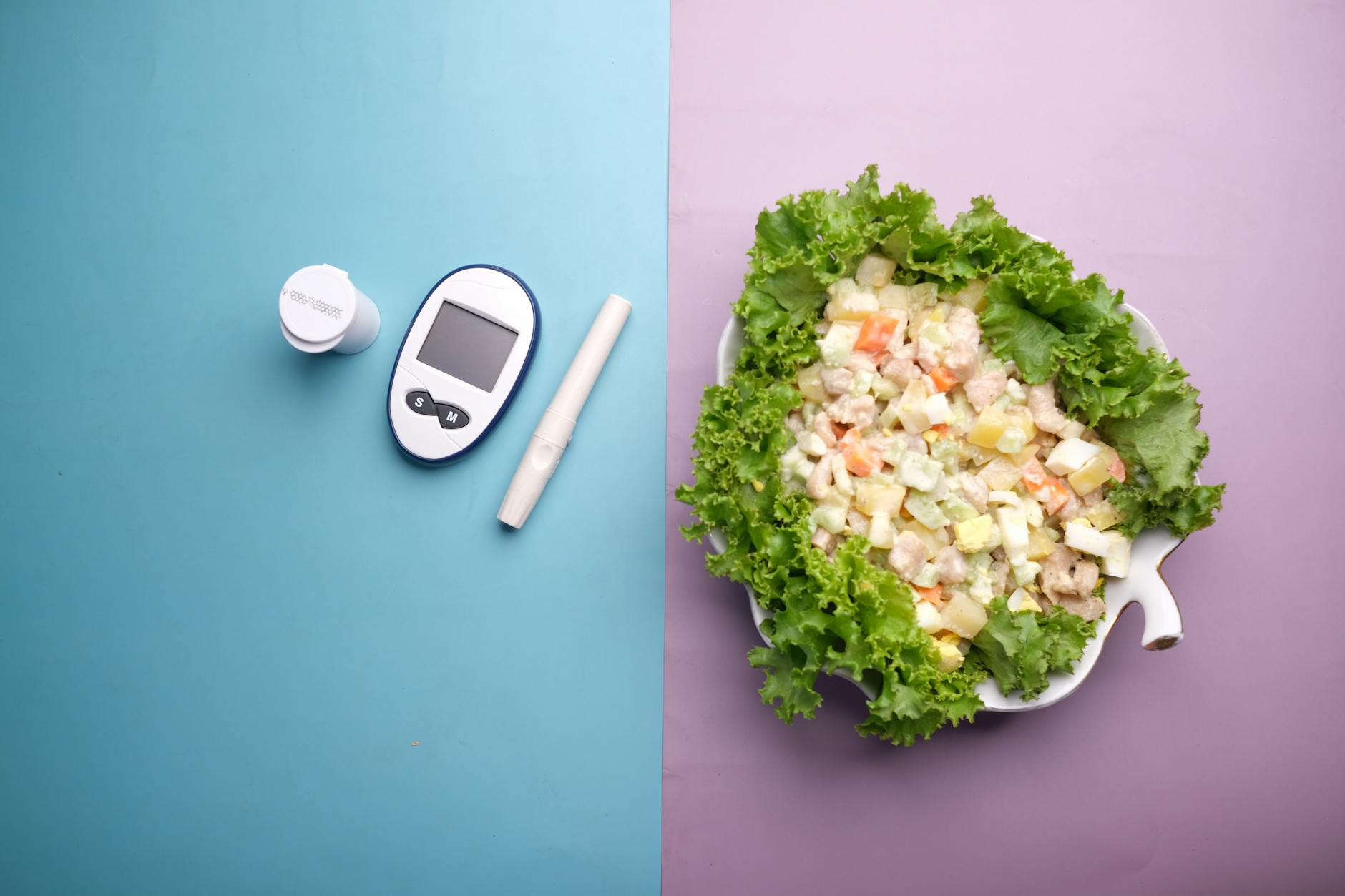
Adopting a tailored diet is paramount for managing and potentially reversing diabetes. Key dietary adjustments include:
* **_Focus on Whole Foods:_** Emphasize vegetables, whole grains, lean proteins, and healthy fats
* **_Carbohydrate Management:_** Choose complex carbs with a low glycemic index to regulate blood sugar spikes
* **_Hydration:_** Drink plenty of water to improve insulin sensitivity
* **_Limit:_** Sugary drinks, refined carbohydrates, and saturated fats
| **Food Group** | **Recommended** | **Limit/Avoid** |
| — | — | — |
| **Vegetables** | Dark leafy greens, broccoli, carrots | |
| **Fruits** | Berries, citrus fruits, apples | Tropical fruits (high sugar) |
| **Proteins** | Lean meats, fish, eggs, legumes | Processed meats |
| **Grains** | Whole wheat bread, brown rice, quinoa | White bread, sugary cereals |
**Exercise and Physical Activity**
Regular physical activity is crucial for enhancing insulin sensitivity and managing blood sugar levels. Recommendations include:
* **_Aerobic Exercise:_** At least 150 minutes of moderate-intensity aerobic exercise, or 75 minutes of vigorous-intensity aerobic exercise, or a combination of both, per week
* **_Strength Training:_** Incorporate muscle-strengthening activities at least twice a week
* **_High-Intensity Interval Training (HIIT):_** For efficient blood sugar control and weight management
**Stress Management and Monitoring**
Stress can significantly impact blood sugar levels. Effective stress management techniques include:
* **_Meditation and Yoga:_** To reduce stress and improve insulin sensitivity
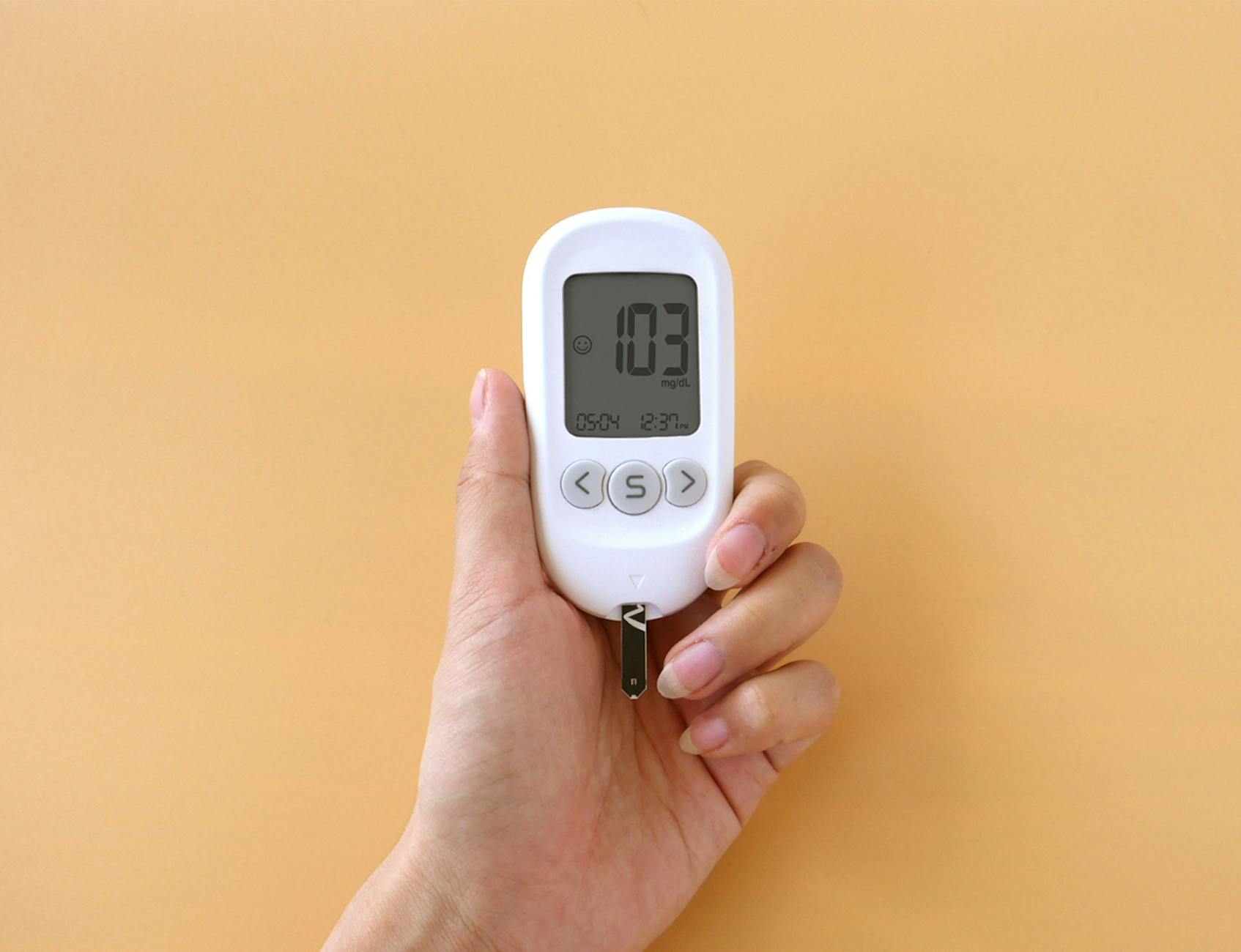
* **_Regular Monitoring:_** Keep track of blood sugar levels, diet, and physical activity to make informed decisions
* **_Seek Support:_** Engage with healthcare professionals, support groups, or counseling services when needed
**Conclusion**
Reversing diabetes is an achievable goal for many, particularly through a comprehensive approach that incorporates dietary changes, regular exercise, stress management, and diligent monitoring. While individual results may vary, embracing these lifestyle modifications can significantly enhance blood sugar management and, for some, lead to diabetes reversal. Remember, it’s crucial to consult with a healthcare provider before initiating any new regimen, especially when managing a chronic condition like diabetes. By taking control of your lifestyle, you’re taking the first step towards a healthier, diabetes-managed life.