

Managing Morning Blood Sugar Spikes in Type 2 Diabetes: A Kitchen Guide
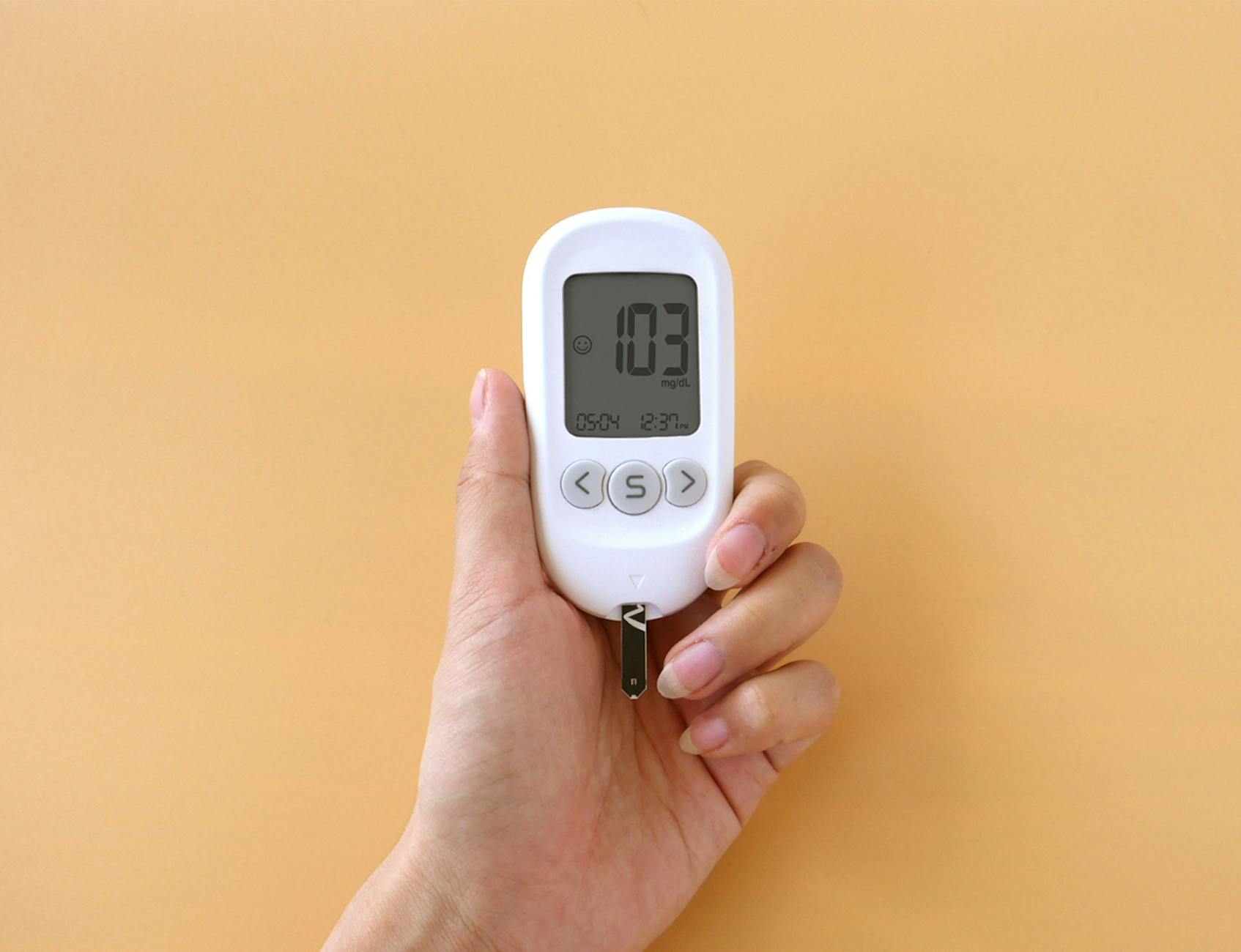
If you live with Type 2 Diabetes, you might be familiar with the frustration of waking up to unexpectedly high blood sugar levels. These morning blood sugar spikes, often a result of the “dawn phenomenon” or other factors affecting fasting glucose, can make managing your condition feel challenging. The good news is that your kitchen, with a few thoughtful adjustments, can become a powerful tool in stabilizing your glucose levels. This guide will walk you through practical, diet-based strategies to help you navigate morning blood sugar fluctuations and achieve better overall glucose management.
Understanding Morning Blood Sugar Spikes in Type 2 Diabetes
Morning blood sugar spikes refer to elevated glucose readings upon waking, often before breakfast. For individuals with Type 2 Diabetes, these can be particularly pronounced due to various physiological processes.
The Dawn Phenomenon Explained
One common cause is the “dawn phenomenon,” a natural rise in blood sugar that occurs early in the morning, typically between 2 AM and 8 AM. It’s the body’s way of preparing for the day by releasing hormones like growth hormone, cortisol, glucagon, and adrenaline. These hormones signal the liver to release more glucose, providing energy. In people without diabetes, the body produces extra insulin to manage this glucose surge. However, for those with Type 2 Diabetes, insufficient insulin production or increased insulin resistance means blood sugar levels can rise significantly, leading to high fasting blood glucose.
Fasting Blood Glucose and Its Impact
Your fasting blood glucose level is a key indicator of how well your body is managing sugar overnight. High fasting levels can contribute to an elevated A1C and increase the risk of diabetes complications. Diet and lifestyle choices play a significant role in influencing these overnight and morning readings.
Several factors can influence morning blood sugar balance:
- Dietary Choices: Consuming foods high in refined carbohydrates and sugars, especially in the evening, can lead to increased glucose production overnight and contribute to morning spikes.
- Physical Activity: A sedentary lifestyle can decrease the body’s efficiency in taking up glucose from the bloodstream, making it harder to manage levels.
- Medication Adherence: Not taking prescribed diabetes medications as directed can also impact overnight glucose regulation.
Your Kitchen’s Role in Managing Morning Blood Sugar
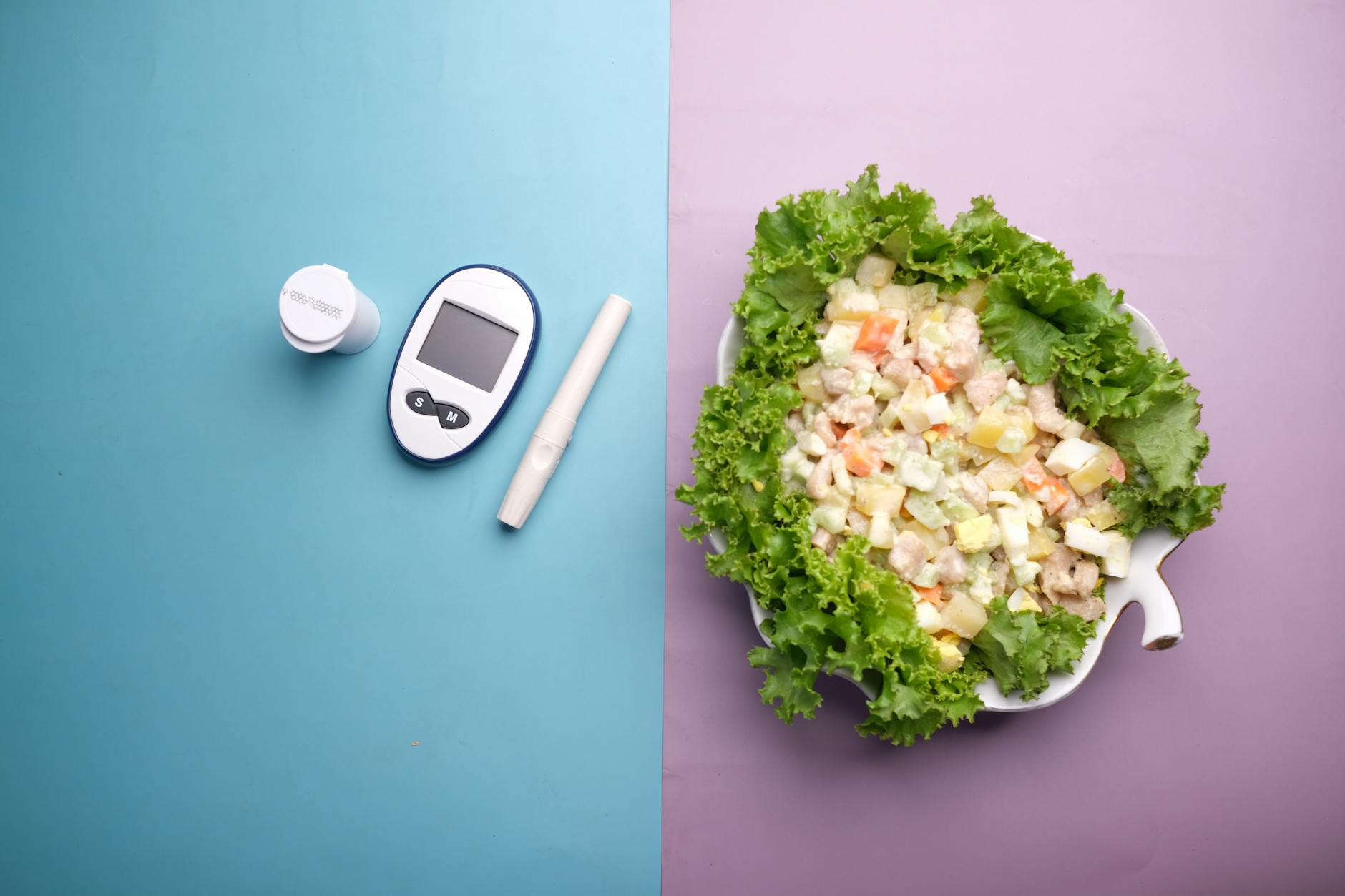
Taking control of your kitchen environment is a proactive step in managing Type 2 Diabetes. By strategically stocking your pantry and fridge, you can create a supportive space that promotes stable blood sugar, particularly to help mitigate morning spikes.
The 5-Minute Kitchen Refresh for Type 2 Diabetes Management
Dedicate just a few minutes to transform your kitchen into a blood-sugar-friendly zone:
- Purge High-Glycemic Carbs and Sugars: Quickly identify and remove foods known to cause rapid blood sugar spikes. This includes sugary cereals, white bread, pastries, sugary drinks, and processed snacks. These items can significantly impact your overnight glucose levels.
- Stock Up on Lean Proteins and Fiber-Rich Foods: Fill your pantry and refrigerator with items that promote stable blood sugar. Think whole grains like oats and quinoa, lean proteins such as chicken, fish, and legumes, and a wide array of colorful, non-starchy vegetables. Fiber and protein help slow down glucose absorption and can contribute to better Type 2 diabetes management guide.
- Rethink Your Evening Snacks: Replace sugary or refined carbohydrate snacks with options rich in protein and healthy fats. Consider a handful of nuts, a small serving of plain Greek yogurt, or vegetable sticks with hummus. These choices can help prevent overnight sugar fluctuations.
- Master the Label Check: Spend a minute reviewing food labels for hidden sugars (e.g., high-fructose corn syrup, dextrose, maltose) and artificial additives. Opt for products with shorter ingredient lists and minimal added sugars. Understanding labels empowers you to make informed decisions that support stable fasting blood glucose.
- Embrace a Meal Prep Mindset: Commit to preparing at least one balanced meal, especially dinner, to set a healthy tone. Planning meals ensures you have nutritious options readily available, reducing the temptation for last-minute, less healthy choices that could affect your morning blood sugar.
Sustaining Your Blood Sugar Management Kitchen
The initial 5-minute refresh is just the beginning. The key to long-term success in managing morning blood sugar spikes through diet is consistency and ongoing awareness. Regularly explore new healthy recipes and stay informed about the latest nutritional guidance relevant to Type 2 Diabetes. Pay attention to how different foods affect your personal blood sugar readings.
Conclusion
Taking a proactive approach to your kitchen environment can significantly impact your ability to manage morning blood sugar spikes and achieve better overall glucose control with Type 2 Diabetes. By understanding the dawn phenomenon, making smart food choices, and maintaining a blood-sugar-friendly kitchen, you empower yourself to navigate your condition more effectively. Embrace these simple changes and experience the positive difference in your energy levels and well-being.
Remember, monitoring your blood sugar regularly provides valuable insights into how your dietary choices affect your glucose levels. Work with your healthcare provider to develop a comprehensive Type 2 diabetes management guide tailored to your needs.
Frequently Asked Questions About Morning Blood Sugar Spikes
- What causes high blood sugar in the morning for people with Type 2 Diabetes?
- High morning blood sugar, often referred to as high fasting blood glucose, can be caused by several factors. The “dawn phenomenon” is a common reason, where the body releases hormones in the early morning that increase glucose production. Insulin resistance or insufficient insulin production in Type 2 Diabetes can prevent the body from adequately managing this glucose surge. Additionally, late-night snacks high in carbohydrates can contribute.
- What is the “dawn phenomenon” and how does it relate to Type 2 Diabetes?
- The “dawn phenomenon” is a natural process where your body releases hormones (like growth hormone, cortisol, and glucagon) in the early morning hours (typically 2 AM to 8 AM) to prepare you for waking. These hormones signal your liver to release more glucose. In Type 2 Diabetes, the body cannot produce or use enough insulin to counteract this glucose release, leading to elevated blood sugar levels upon waking.
- How can diet help manage morning blood sugar spikes?
- Diet plays a crucial role. Focusing on lean proteins, healthy fats, and complex carbohydrates with plenty of fiber, especially in your evening meal and snacks, can help stabilize blood sugar overnight. Avoiding refined sugars and high-glycemic carbohydrates before bed can prevent rapid glucose increases that contribute to morning spikes.
- Are certain foods better for stabilizing fasting blood glucose?
- Yes. Foods rich in fiber, such as non-starchy vegetables, whole grains, and legumes, help slow down glucose absorption. Lean proteins (chicken, fish, tofu) and healthy fats (avocado, nuts, seeds) also contribute to satiety and blood sugar stability. Limiting processed foods and sugary drinks is essential.
- When should I check my blood sugar to understand morning spikes?
- To understand morning blood sugar spikes, it’s generally recommended to check your fasting blood glucose first thing in the morning before eating or drinking anything (other than water). Your healthcare provider might also recommend checking your blood sugar during the night (e.g., around 2 AM or 3 AM) to differentiate between the dawn phenomenon and the Somogyi effect (rebound hyperglycemia from low overnight blood sugar).
- What role does insulin resistance play in morning high blood sugar?
- Insulin resistance is a hallmark of Type 2 Diabetes, where the body’s cells don’t respond effectively to insulin. This means that even if some insulin is produced, it’s not enough to move glucose from the bloodstream into the cells. This resistance can be more pronounced overnight and in the early morning, exacerbating the effects of the dawn phenomenon and leading to higher fasting blood glucose levels.