

Manage Morning Blood Sugar Spikes in Type 2 Diabetes: Your 5-Minute Kitchen Guide
For individuals living with Type 2 Diabetes, maintaining stable blood sugar levels is a daily priority. One common challenge many face is experiencing elevated blood sugar in the morning, often referred to as morning blood sugar spikes. These can be influenced by various factors, including the ‘dawn phenomenon’ or ‘fasting blood glucose’ fluctuations. While comprehensive diabetes management involves multiple strategies, the good news is that swift, practical adjustments in your kitchen can significantly impact your ability to control these morning highs.
This article provides a simple, actionable guide to transforming your kitchen in just 5 minutes, setting the stage for better blood sugar management and healthier mornings.
Understanding Morning Blood Sugar Spikes in Type 2 Diabetes
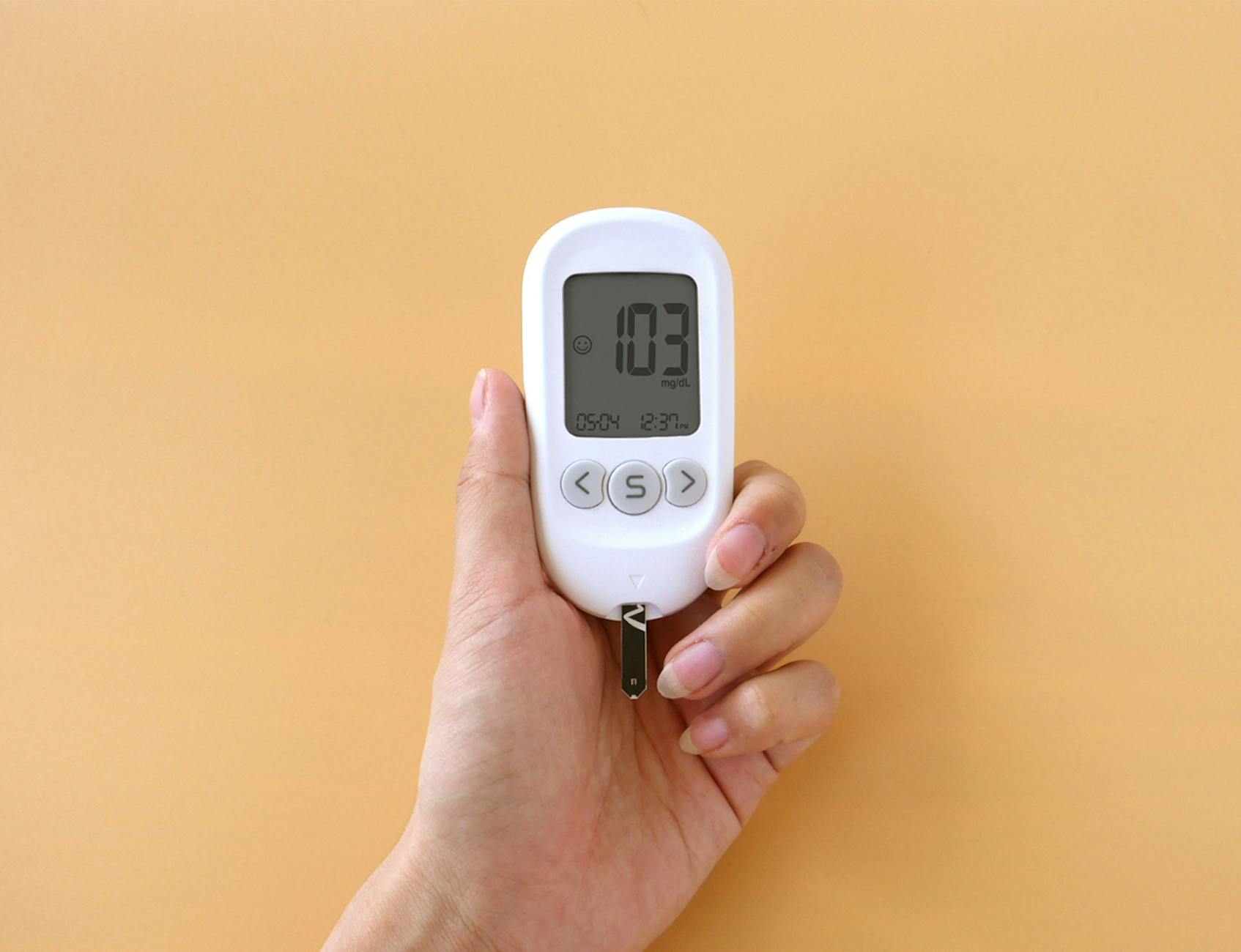
Morning blood sugar spikes refer to an increase in blood glucose levels that occurs before you’ve eaten breakfast. This can manifest in a couple of ways:
- The Dawn Phenomenon: This is a natural rise in blood sugar that occurs in the early morning hours (typically between 2:00 AM and 8:00 AM) due to a surge of hormones your body releases. These hormones, like growth hormone, cortisol, glucagon, and adrenaline, signal the liver to release glucose. For people with Type 2 Diabetes, the body may not produce enough insulin to counteract this release, leading to higher morning blood sugar.
- Fasting Blood Glucose: This measures your blood sugar after an overnight fast (typically 8-12 hours). High fasting blood glucose can indicate that your body isn’t effectively managing glucose production overnight, possibly due to insulin resistance or insufficient insulin.
Managing these morning spikes is crucial for overall Type 2 diabetes management guide and preventing long-term complications.
Your 5-Minute Kitchen Reset: A Strategy for Stable Mornings
Taking control of your kitchen environment can empower you to make healthier food choices that support stable blood sugar throughout the day and into the morning.
Minute 1: Purge for Prevention
Start by quickly scanning your kitchen counters, refrigerator, and pantry. Identify and promptly remove or set aside for donation any items that can contribute to unhealthy blood sugar levels.
- Expired or highly processed foods, which often contain hidden sugars and unhealthy fats.
- Sugary snacks and beverages, including sodas, fruit juices with added sugar, and candies.
- Refined grains such as white bread, sugary cereals, and pastries that can cause rapid blood sugar spikes.
This immediate action clears space for more nutritious alternatives and reduces the temptation to reach for less healthy options, especially when planning evening meals that impact morning glucose.
Minute 2: Stock Your Pantry for Stable Mornings
Swiftly restock your kitchen with blood sugar-friendly staples that will form the foundation of balanced meals, helping to prevent overnight and morning blood sugar highs. Focus on foods rich in fiber, lean protein, and healthy fats.
| Category | Recommendations for Type 2 Diabetes |
|---|---|
| Grains | Whole wheat bread, quinoa, brown rice, oats (steel-cut or rolled) |
| Fruits | Berries, apples, citrus fruits (enjoy in moderation due to natural sugars) |
| Vegetables | Leafy greens (spinach, kale), broccoli, bell peppers, non-starchy vegetables |
| Proteins | Salmon, chicken breast, tofu, lentils, beans, eggs |
| Dairy/Alternatives | Unsweetened Greek yogurt, unsweetened almond milk, low-fat cottage cheese |
These foods are key for creating meals that release glucose slowly, supporting consistent energy levels and helping to mitigate morning blood sugar challenges.
Minute 3: Arrange for Mindful Choices
Optimize your kitchen layout to encourage healthier eating habits throughout the day, which in turn supports better blood sugar control, including fasting levels.
- Place healthy snacks, like nuts or fruit, at eye level for easy and quick access.
- Move less healthy options to harder-to-reach locations, making them less convenient.
- Set the table for meals, even quick ones, to create a dedicated, distraction-free eating space. This encourages mindful eating, helping you recognize hunger and fullness cues, which is vital for portion control and blood sugar management.
Minute 4: Plan Ahead for Consistency
Dedicate a minute to planning, a critical step in managing Type 2 Diabetes and preventing morning blood sugar spikes. Consistent, well-planned meals can make a significant difference.
- Review your newly stocked pantry and fridge to ensure you have all ingredients for upcoming meals.
- Plan your next three meals, focusing on incorporating your new staples. Consider balanced dinners that include protein, fiber, and healthy fats to help stabilize blood sugar overnight.
- Set reminders for regular grocery shopping to maintain a supply of healthy foods, preventing reliance on less healthy, convenient options.
This proactive planning minimizes last-minute unhealthy choices that could impact your morning glucose readings.
Minute 5: Your Commitment to Control
The final minute is about reinforcing your commitment. A quick scan of your transformed kitchen can provide a sense of accomplishment and readiness.
- Take a moment to appreciate your organized, health-focused kitchen.
- Reaffirm your dedication to making food choices that support stable blood sugar levels.
- Remember that these small, consistent changes build into significant, positive health outcomes.
Your revitalized kitchen is now a powerful tool in your journey to manage Type 2 Diabetes and achieve blood sugar success every morning.
Conclusion
Transforming your kitchen in just 5 minutes is a powerful, yet simple, step toward managing morning blood sugar spikes in Type 2 Diabetes. By strategically purging unhealthy items, stocking up on beneficial foods, arranging your space for mindful eating, and planning your meals, you establish an environment that actively supports your health goals. Remember, consistent monitoring of your blood sugar levels, especially in the morning, is key to understanding your body’s response and making informed choices. These thoughtful adjustments can lead to lasting positive impacts on your overall well-being and help you achieve better blood sugar control.
Actively monitor your blood sugar levels to understand how different foods and activities impact your glucose readings, especially in the morning.
Frequently Asked Questions About Morning Blood Sugar Spikes
- What causes morning blood sugar spikes in Type 2 Diabetes?
- Morning blood sugar spikes can be caused by the dawn phenomenon (natural hormone release in early morning), insufficient insulin production/sensitivity overnight, or consuming high-carbohydrate meals before bed that are not properly metabolized.
- What is the dawn phenomenon?
- The dawn phenomenon is a natural process where your body releases hormones (like growth hormone and cortisol) in the early morning (2 AM – 8 AM) that signal the liver to produce more glucose. For individuals with Type 2 Diabetes, the body may not produce enough insulin to counteract this, leading to elevated blood sugar levels by morning.
- How can diet affect fasting blood glucose?
- Your dietary choices, especially your dinner, significantly impact fasting blood glucose. Eating meals high in refined carbohydrates and sugars before bed can lead to higher blood sugar levels in the morning. Opting for balanced meals rich in fiber, lean protein, and healthy fats can help stabilize blood sugar overnight.
- Which foods should I avoid to prevent morning spikes?
- To help prevent morning blood sugar spikes, it’s advisable to limit or avoid sugary drinks, highly processed foods, refined grains (like white bread and sugary cereals), and large portions of simple carbohydrates, especially in the evening.
- What are good breakfast options for Type 2 Diabetes?
- Excellent breakfast options for Type 2 Diabetes focus on protein, fiber, and healthy fats. Examples include unsweetened Greek yogurt with berries and a sprinkle of nuts, scrambled eggs with non-starchy vegetables, or a small portion of steel-cut oats with chia seeds.
- How often should I monitor my blood sugar in the morning?
- The frequency of morning blood sugar monitoring depends on your individual treatment plan and your healthcare provider’s recommendations. Many people with Type 2 Diabetes monitor their fasting blood glucose daily or several times a week to track trends and understand how their diet and lifestyle affect their levels.