
Dietary Strategies for Type 2 Diabetes: Kitchen Tweaks for Stable Blood Sugar
Managing blood sugar levels is a cornerstone of overall health, especially for individuals living with Type 2 Diabetes or prediabetes. While medical treatments and regular physical activity are vital, strategic dietary adjustments can profoundly influence blood sugar control. This guide explores practical and impactful kitchen tweaks designed to support optimal blood sugar health, empowering you to better manage and regulate glucose levels through informed food choices and thoughtful meal preparation.
Understanding How Food Impacts Blood Sugar Levels
Before implementing changes in your kitchen, it is essential to understand how different foods affect your blood sugar. A key concept is the Glycemic Index (GI), which measures how quickly a food causes blood sugar to rise. Foods with a high GI, such as white bread or sugary snacks, can lead to rapid blood sugar spikes. In contrast, low GI foods, like whole grains and non-starchy vegetables, result in a more gradual and sustained increase in blood sugar.
| Food Type | Glycemic Index (GI) | Effect on Blood Sugar |
|---|---|---|
| Whole Grains (Brown Rice, Quinoa) | Low (Below 55) | Gradual Increase |
| Non-Starchy Vegetables (Broccoli, Spinach) | Very Low (Below 20) | Negligible Increase |
| Refined Carbohydrates (White Bread, Sugary Snacks) | High (Above 70) | Rapid Spike |
Optimizing Your Pantry for Better Blood Sugar Control
Transforming your pantry is the first step toward making a positive impact on your blood sugar levels. Focus on stocking staples that support stable glucose:
- Swap Refined Grains for Whole Grains: Replace white rice with brown rice, and choose whole wheat or whole grain alternatives for bread and pasta. These provide more fiber, which helps slow sugar absorption.
- Choose Low GI Fruits and Vegetables: Prioritize non-starchy vegetables such as broccoli, spinach, and bell peppers. Opt for fruits like apples, berries, and citrus, which are naturally lower on the GI scale.
- Incorporate Healthy Proteins and Fats: Nuts, seeds, avocados, and olive oil are excellent additions. These not only enhance flavor but also help slow down the digestion of carbohydrates, which can mitigate blood sugar spikes.
Meal Preparation Strategies for Stable Glucose Levels
The way you prepare and combine your meals can significantly influence your blood sugar responses. Consider these effective strategies:
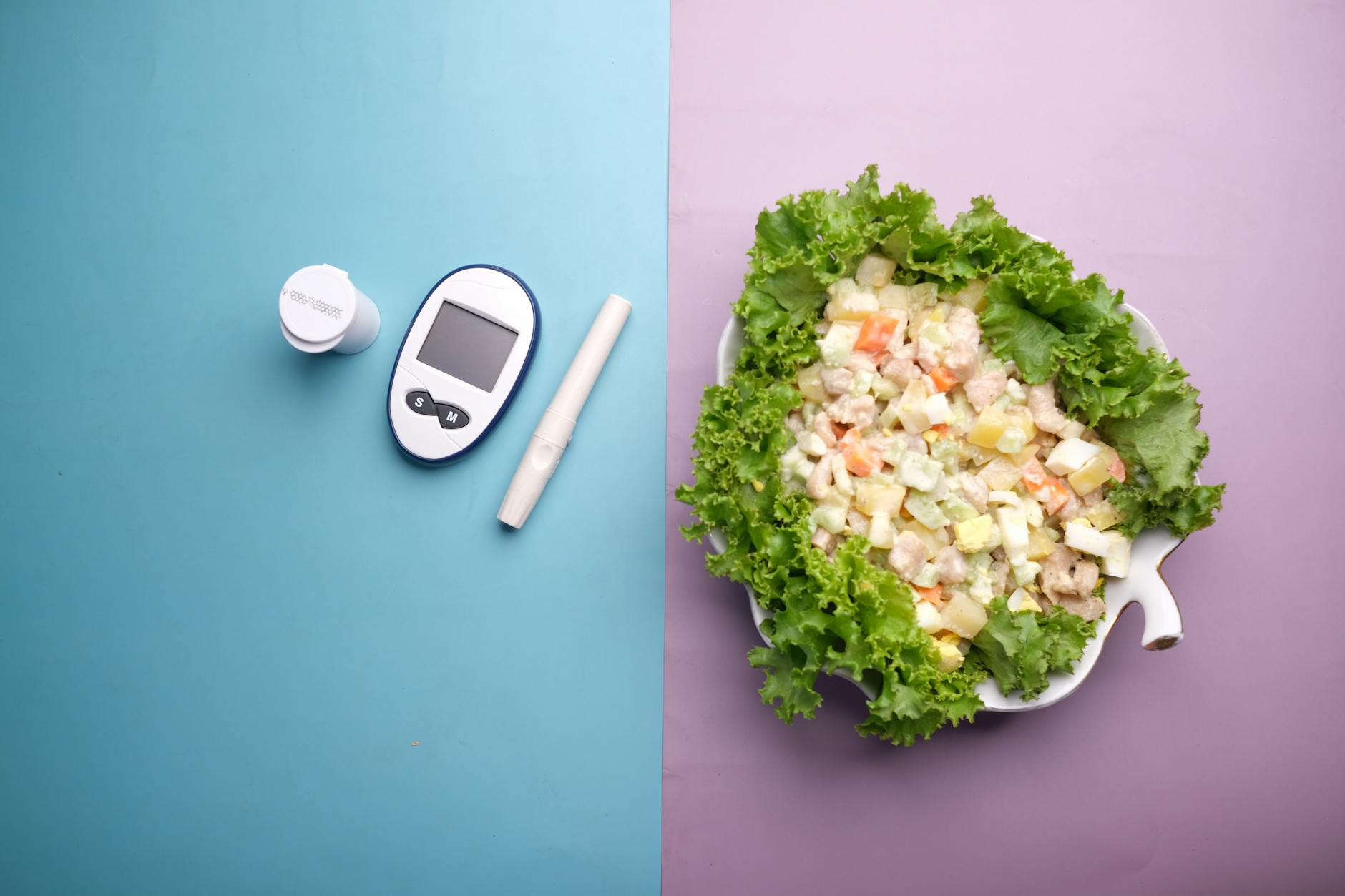
- Create Balanced Plates: Ensure each meal includes a lean protein source, a portion of whole grains, and a generous serving of non-starchy vegetables. This combination helps maintain stable blood sugar.
- Practice Mindful Portion Sizes: Be conscious of the carbohydrate content in your meals. Adjust portion sizes to align with your dietary needs and avoid excessive glucose intake.
- Eat Regular, Timed Meals: Consuming smaller, frequent meals throughout the day can help prevent extreme highs and lows in blood sugar, contributing to overall stability.
For more in-depth guidance on managing your condition, refer to our comprehensive Type 2 diabetes management guide.
Monitoring and Adapting for Continuous Improvement
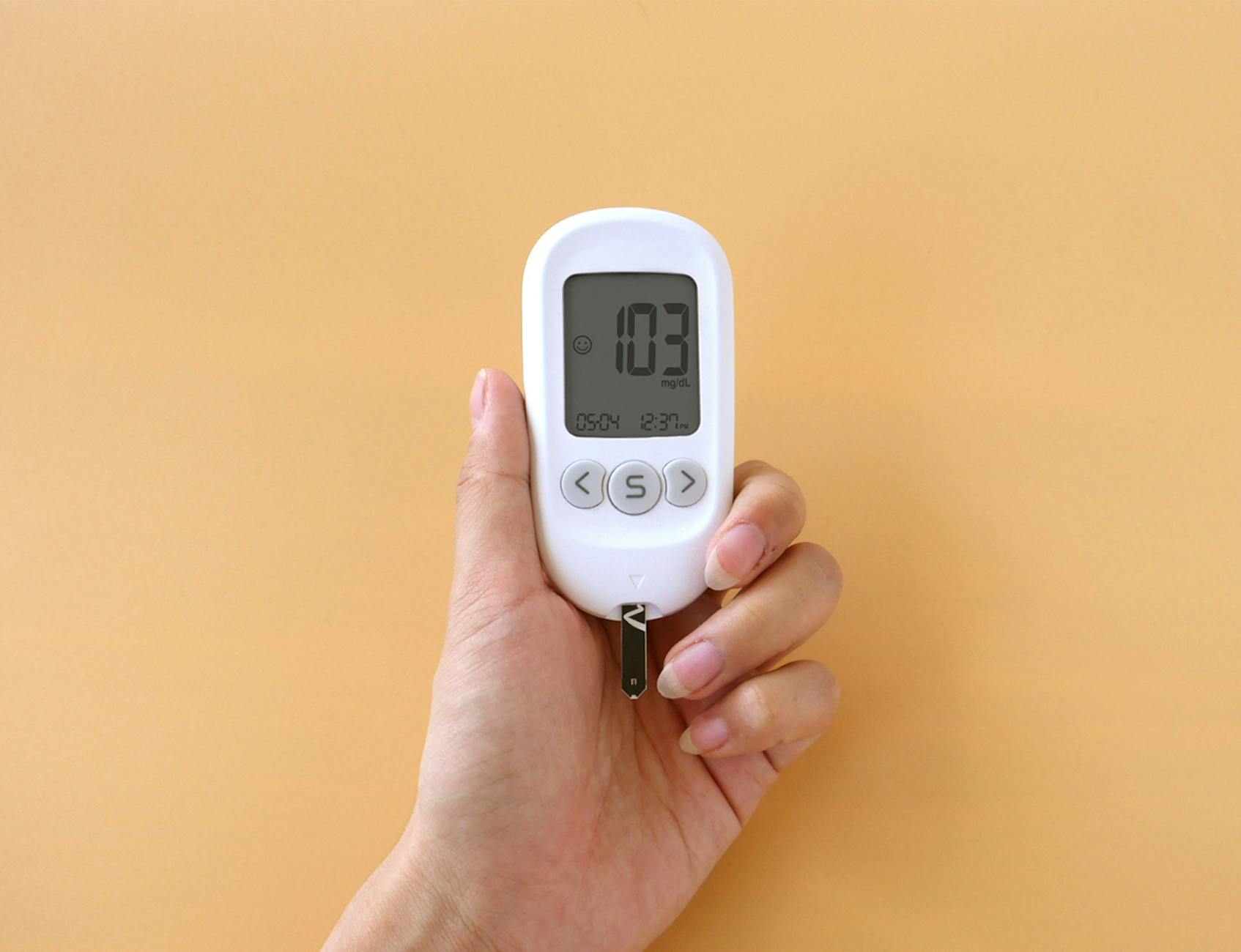
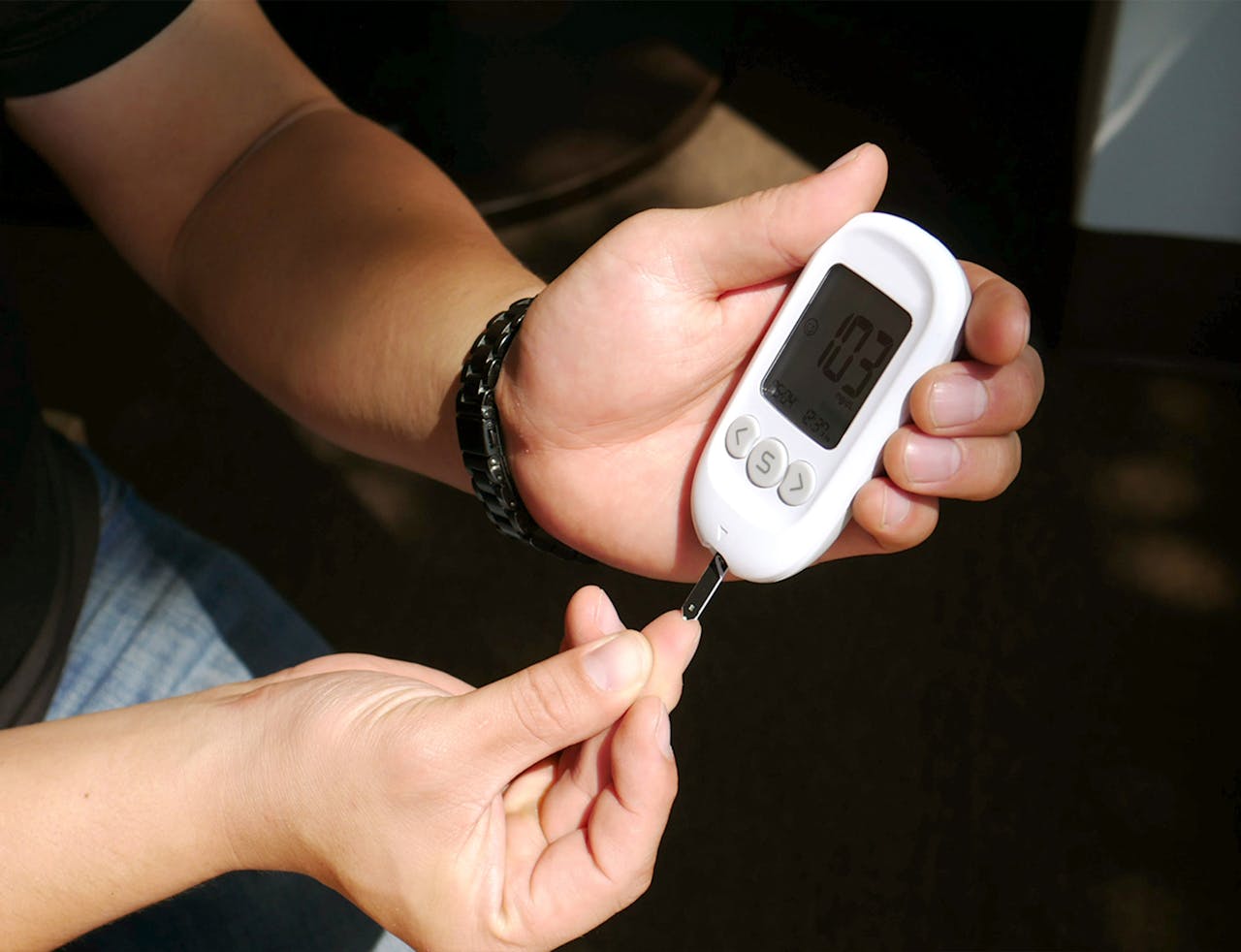
Successful blood sugar management through dietary adjustments requires ongoing monitoring and flexibility. Regularly check your blood sugar levels and consider keeping a food diary to track your dietary intake. Based on these observations, you can make informed adjustments to your kitchen habits and meal preparations. This iterative process is crucial for ensuring your dietary strategy remains effective in maintaining optimal blood sugar health.
Take Control of Your Health Through Informed Choices
This article has provided actionable kitchen tweaks and meal preparation strategies to support optimal blood sugar health. By understanding how food impacts your glucose levels, thoughtfully adjusting your pantry, preparing balanced meals, and continuously monitoring your progress, you gain significant control over your blood sugar management. Remember, even small, informed changes in your kitchen can lead to substantial health benefits and a path to improved overall well-being.
Act now: Regularly monitor your blood sugar levels to understand your body’s responses and make informed dietary choices for better health.
Frequently Asked Questions
How does diet specifically impact blood sugar levels in Type 2 Diabetes?
Dietary choices directly influence blood sugar because carbohydrates, proteins, and fats are broken down into glucose, which enters the bloodstream. Carbohydrates have the most immediate impact, raising blood sugar quickly, while proteins and fats have a slower, more gradual effect.
What is the Glycemic Index (GI), and how should I use it for Type 2 Diabetes?
The Glycemic Index (GI) is a system that ranks carbohydrate-containing foods by how much they raise blood sugar levels after eating. For Type 2 Diabetes, focusing on low GI foods (like whole grains, most vegetables, and some fruits) can help prevent rapid blood sugar spikes and promote more stable glucose control.
Which types of foods are generally recommended to limit or avoid for Type 2 Diabetes?
It is generally recommended to limit or avoid highly processed foods, sugary drinks, refined carbohydrates (like white bread, pastries), and foods high in unhealthy saturated and trans fats. These can cause rapid blood sugar increases and contribute to insulin resistance.
What are some key food groups I should prioritize for stable blood sugar?
Prioritize whole, unprocessed foods. This includes non-starchy vegetables (leafy greens, broccoli), lean proteins (chicken, fish, beans), healthy fats (avocado, nuts, olive oil), and complex carbohydrates with fiber (whole grains like oats, quinoa, brown rice).
Can meal timing and frequency affect my blood sugar management?
Yes, eating regular, well-portioned meals and snacks can help stabilize blood sugar levels throughout the day. Skipping meals or eating very large meals can lead to significant fluctuations, making blood sugar harder to manage.
Why is continuous blood sugar monitoring important when making dietary changes?
Continuous blood sugar monitoring helps you understand how your body responds to different foods and meal patterns. It provides real-time feedback, allowing you to fine-tune your dietary choices and confirm that your kitchen tweaks are effectively supporting your blood sugar management goals.